
 Caroline Sarah
Magnesium is a powerhouse mineral that significantly impacts various bodily functions, making it an essential component of our health. From muscle contractions to energy production, the role of magnesium is multifaceted and crucial. This mineral is not only vital for physical health but also plays a significant role in mental well-being, highlighting its importance in our daily lives.
As we delve deeper, we will explore the dietary sources of magnesium, its connection to mental health, the benefits of supplementation, and the implications of magnesium deficiency. Understanding these aspects will equip you with the knowledge to prioritize magnesium in your nutritional choices and overall health strategy.
The Importance of Magnesium in Human Health
Magnesium is an essential mineral that plays a pivotal role in numerous biochemical reactions critical for maintaining optimal health. It is involved in over 300 enzymatic processes, influencing everything from muscle function to energy production, and even impacts nerve transmission and bone health. Understanding magnesium’s functions and the implications of deficiency sheds light on its significance in our daily diet and overall well-being.
Role of Magnesium in Bodily Functions
Magnesium contributes to various bodily functions through its involvement in several biochemical mechanisms. It aids in muscle contraction by regulating calcium levels, facilitating the contraction and relaxation of muscles. Through its role in nerve transmission, magnesium helps to stabilize neuronal membranes and affects neurotransmitter release, promoting effective communication between nerve cells and muscles. Additionally, magnesium is integral to energy production, as it is a cofactor in ATP (adenosine triphosphate) synthesis, the primary energy carrier in cells.
Magnesium is crucial for ATP production, influencing energy metabolism at the cellular level.
Health Effects of Magnesium Deficiency
Low magnesium levels can lead to a range of health issues, underscoring the mineral’s importance. Common symptoms of magnesium deficiency include muscle cramps, fatigue, irritability, and arrhythmias. In severe cases, deficiency can result in osteoporosis, as magnesium is essential for bone formation and maintenance. Research indicates that chronic low magnesium levels may also be linked to cardiovascular diseases, type 2 diabetes, and hypertension, highlighting the need for adequate magnesium intake.
Recommended Dietary Allowances for Magnesium
The recommended dietary allowances (RDA) for magnesium vary across different age groups and populations, reflecting individual needs based on growth and development stages. The guidelines provided by health organizations are as follows:
| Age Group | RDA (mg/day) |
|---|---|
| Children (1-3 years) | 80 |
| Children (4-8 years) | 130 |
| Adolescents (9-18 years) | 240-410 |
| Adults (19-30 years) | 400-420 (men), 310-320 (women) |
| Adults (31 years and older) | 420 (men), 320 (women) |
| Pregnant Women | 350-400 |
Adequate magnesium intake is vital for sustaining health and preventing the adverse effects associated with deficiency. A balanced diet, rich in magnesium-containing foods like leafy greens, nuts, seeds, whole grains, and legumes, can help meet the nutritional requirements for this essential mineral.
Dietary Sources of Magnesium and Their Benefits
Magnesium is an essential mineral that plays a vital role in numerous bodily functions, including muscle and nerve function, blood glucose control, and blood pressure regulation. Understanding dietary sources of magnesium can help individuals ensure they are getting enough of this crucial nutrient for optimal health.
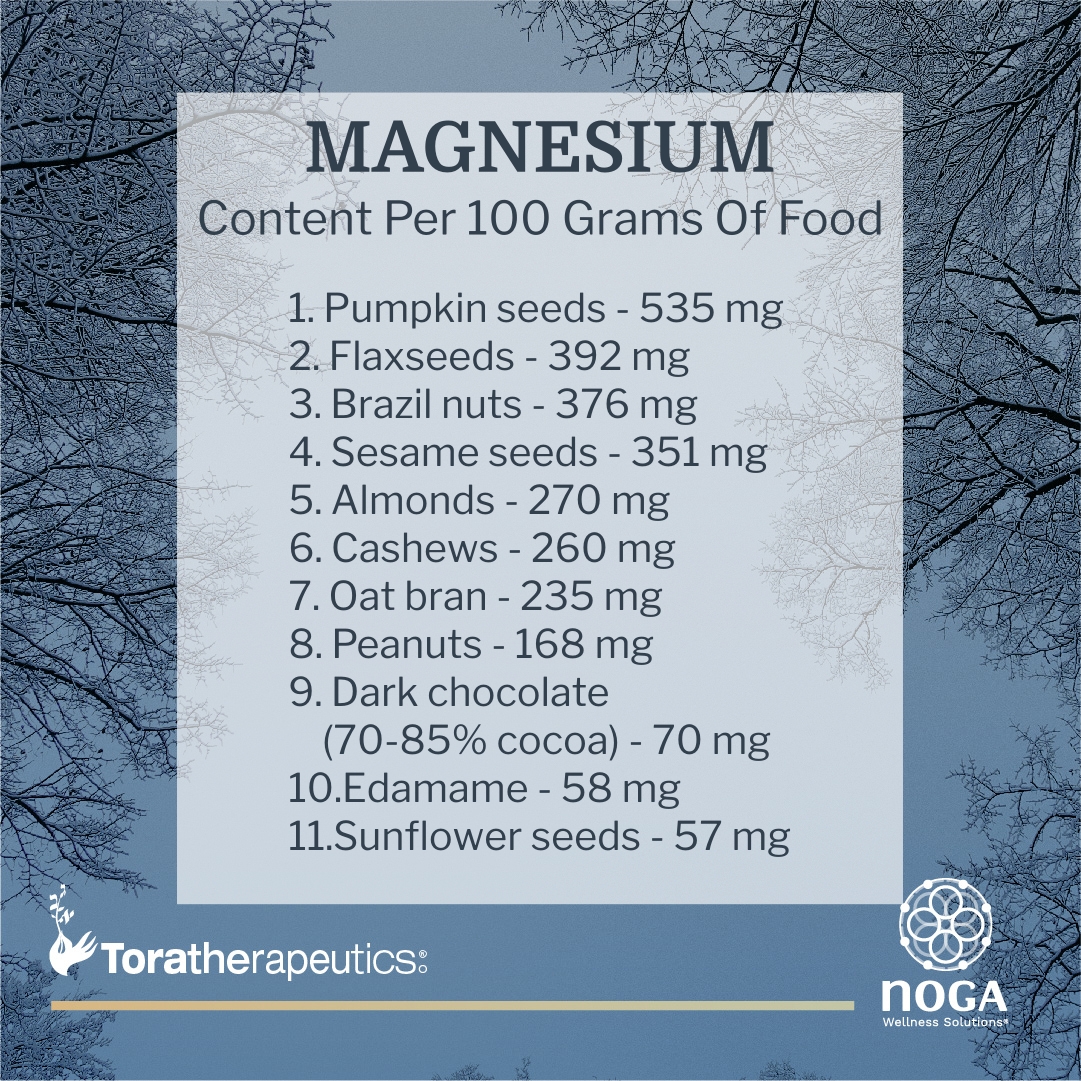
Magnesium-rich foods can be categorized into various groups, each offering unique benefits. Below is a breakdown of these food sources, emphasizing their importance in a balanced diet.
Nuts and Seeds
Nuts and seeds are some of the richest sources of magnesium, providing not only essential fats but also fiber and protein. Including these in your diet can significantly boost magnesium intake.
- Almonds – A single ounce of almonds contains about 76 mg of magnesium, making them a top choice.
- Pumpkin seeds – These seeds have a remarkable magnesium content, with approximately 168 mg per ounce.
- Cashews – Offering around 74 mg of magnesium per ounce, cashews are a tasty and nutritious option.
Whole Grains
Whole grains are another excellent source of magnesium, providing essential nutrients that support cardiovascular health and digestion.
- Brown rice – A cup of cooked brown rice contains about 84 mg of magnesium, contributing to daily intake.
- Quinoa – This grain provides about 118 mg of magnesium per cooked cup and is also a complete protein.
- Oats – A cup of cooked oats contains approximately 61 mg of magnesium, making them a great breakfast choice.
Green Leafy Vegetables
Green leafy vegetables are not only low in calories but also packed with vitamins and minerals, including magnesium. They are essential for maintaining bone density and overall health.
- Spinach – One cooked cup of spinach contains around 157 mg of magnesium.
- Kale – This leafy green offers about 24 mg of magnesium per cooked cup, alongside numerous antioxidants.
- Swiss chard – A cooked cup provides around 150 mg of magnesium, making it a nutrient-dense addition to meals.
Health Benefits of Magnesium-Rich Foods
Consuming magnesium-rich foods can offer a myriad of health benefits, particularly in relation to cardiovascular health and bone density.
Magnesium helps regulate blood pressure, which can reduce the risk of heart disease. A diet high in magnesium may lower the incidence of hypertension and improve overall heart function. Moreover, magnesium plays a role in calcium metabolism, which is critical for maintaining strong bones. This mineral also aids in the prevention of osteoporosis, especially in older adults.
“The adequate intake of magnesium is linked to better heart health and improved bone density.”
Comparison Between Plant-Based and Animal-Based Sources
When analyzing magnesium content in food sources, plant-based foods generally have higher magnesium levels than most animal-based sources. For instance, while meats and dairy products do contain magnesium, they are often in lower concentrations compared to whole grains, nuts, and leafy vegetables.
Plant-based sources of magnesium also come with additional health benefits, such as fiber, antioxidants, and phytonutrients, which can enhance overall health. The absorption of magnesium can vary; while some studies suggest that magnesium from plant sources is more readily absorbed, others indicate that the presence of oxalates and phytates in certain plant foods may hinder absorption.
“Understanding the differences in magnesium absorption between plant and animal sources can help in planning a more effective diet.”
The Relationship Between Magnesium and Mental Health
Magnesium plays a crucial role in various physiological functions, and its impact on mental health has garnered increasing attention in recent years. Research indicates that adequate magnesium levels are essential for mood regulation and may significantly influence conditions such as anxiety and depression. Understanding how magnesium affects mental well-being can provide insights into effective strategies for enhancing mental health through dietary and lifestyle adjustments.
Magnesium serves as a cofactor in numerous enzymatic reactions in the brain, influencing neurotransmitter function and brain health. Low magnesium levels have been linked to increased anxiety and depressive symptoms, while adequate intake can help stabilize mood. Studies suggest that magnesium supplementation may offer a natural approach to managing these mental health conditions. For instance, a review published in the journal *Nutrients* highlights the potential of magnesium in improving mood and reducing symptoms of anxiety and depression, particularly in individuals with existing deficiencies.
Studies on Magnesium and Mental Health Improvements
Numerous studies have illustrated the positive correlation between magnesium supplementation and improvements in mental health conditions. One notable study conducted on individuals with mild to moderate depression found that those who received magnesium supplements experienced significant improvements in mood compared to a placebo group. This study underscores the potential of magnesium as a supportive treatment for mental health disorders.
In another investigation, patients with generalized anxiety disorder who supplemented with magnesium showed reduced anxiety levels and improved overall psychological well-being. The findings indicate that magnesium may have a calming effect on the nervous system, which can be beneficial for those experiencing anxiety.
Important mechanisms by which magnesium influences neurotransmitter function include its role in regulating the release of serotonin, a neurotransmitter that contributes to feelings of well-being and happiness. Additionally, magnesium helps modulate the stress response by regulating cortisol levels, which are often elevated in individuals dealing with chronic stress or anxiety.
Magnesium is essential for the synthesis of neurotransmitters, providing a foundational support for emotional balance and cognitive function.
Furthermore, magnesium’s involvement in mitochondrial function and neuroprotection also plays a part in maintaining brain health. By promoting energy production within brain cells, magnesium supports cognitive processes and may lower the risk of neurodegenerative diseases. Emphasizing a diet rich in magnesium—such as leafy greens, nuts, seeds, and whole grains—can thus be an integral component of mental health maintenance.
In conclusion, while magnesium is often overlooked in discussions surrounding mental well-being, research highlights its significant role in regulating mood and alleviating symptoms of anxiety and depression. Individuals seeking to enhance their mental health might benefit from focusing on their magnesium intake, either through dietary sources or supplementation, especially if they are experiencing symptoms of mood disorders.
Magnesium Supplementation
Magnesium plays an essential role in numerous physiological functions including muscle contraction, nerve transmission, and energy production. Its supplementation is often considered necessary, especially in individuals with specific health conditions or dietary deficiencies. Understanding the types of magnesium supplements available and how to choose the right one can significantly enhance the benefits of supplementation.
Types of Magnesium Supplements
There are various forms of magnesium supplements available, each with distinct absorption rates and effectiveness. Knowing these differences is crucial for selecting the appropriate type for individual health needs.
- Magnesium Citrate: Known for its high bioavailability, magnesium citrate is easily absorbed by the body. It’s often recommended for those who suffer from constipation as it can have a mild laxative effect.
- Magnesium Oxide: This is one of the most common forms but has a lower absorption rate compared to citrate. It is typically used to relieve indigestion and to supplement magnesium levels.
- Magnesium Glycinate: This form is chelated with glycine, which can improve absorption and reduce gastrointestinal discomfort. It’s often recommended for those looking to promote relaxation and improve sleep quality.
- Magnesium Malate: This form combines magnesium with malic acid, which may help in energy production and is often favored by individuals with chronic fatigue.
- Magnesium Threonate: Known for its potential to enhance cognitive function, this form crosses the blood-brain barrier effectively, making it a popular choice for supporting brain health.
Choosing the Right Magnesium Supplement
Selecting the appropriate magnesium supplement should be based on individual health requirements and specific conditions. Factors to consider include:
- Health Goals: Determine whether the aim is to alleviate a specific condition, such as anxiety or digestive issues, or to maintain overall health.
- Absorption Rates: Choose supplements with higher absorption rates for more effective use, particularly if gastrointestinal issues are a concern.
- Additional Ingredients: Some supplements include other beneficial components, such as B vitamins or herbal extracts, which may enhance their effects.
- Dosage and Form: Evaluate the recommended dosage based on individual needs; forms like tablets, powders, or liquids might be preferred based on personal convenience.
Consultation with Healthcare Professionals
Before starting any magnesium supplementation, it is crucial to consult with healthcare professionals. This step ensures that the chosen supplement aligns with personal health conditions and does not interact negatively with other medications.
“Always consult a healthcare provider before starting new supplements to avoid potential adverse effects and ensure safe usage.”
Certain medications, particularly those affecting the cardiovascular and kidney functions, may interact with magnesium supplements. Healthcare professionals can provide guidance on proper dosages and monitor health conditions to prevent complications.
Magnesium in Sports and Athletic Performance
Magnesium is often referred to as the unsung hero of athletic performance. This essential mineral plays a critical role in various biochemical processes that influence energy production, muscle function, and recovery. Athletes, whether they are weekend warriors or elite competitors, require adequate magnesium levels to maximize performance and enhance recovery.
Magnesium is integral in energy metabolism, particularly during high-intensity physical activities. It assists in the conversion of carbohydrates and fats into usable energy, facilitating muscular contractions and endurance. Additionally, magnesium contributes to muscle recovery by reducing inflammation and promoting muscle relaxation after exertion. The importance of maintaining adequate magnesium levels cannot be overstated, as deficiencies can lead to increased fatigue, cramping, and overall diminished athletic performance.
Magnesium Supplementation Strategies for Athletes
Athletes can strategically supplement magnesium to optimize their performance and recovery. Here are notable supplementation methods for different phases of physical activity:
– Before Exercise: Taking magnesium before workouts can help prepare the muscles and enhance energy production. Athletes might consider consuming magnesium-rich foods such as nuts, seeds, or whole grains, or opt for a magnesium supplement. A common recommendation is around 300-400 mg of magnesium, depending on individual dietary needs and activity levels.
– During Exercise: While it’s less common to supplement with magnesium during performance, some athletes may benefit from electrolyte drinks that contain magnesium, especially in long-duration events. These drinks help maintain hydration and electrolyte balance, reducing the risk of cramping.
– After Exercise: Post-workout is a critical time for recovery, and magnesium supplementation can aid in muscle relaxation and repair. Athletes might choose magnesium citrate or magnesium glycinate supplements, typically in the range of 200-400 mg, which can help replenish depleted magnesium stores and support overall recovery.
Effects of Magnesium on Endurance and Fatigue Resistance
Magnesium’s role in endurance sports is well-documented, particularly its influence on fatigue resistance. Adequate magnesium levels can support improved physical performance across various sports disciplines. Research indicates that magnesium helps maintain energy production during prolonged exercise, which is crucial for athletes in endurance sports such as marathon running, cycling, and triathlons.
Athletes who maintain optimal magnesium levels report enhanced endurance, allowing them to sustain higher intensity workouts for longer periods, which can be particularly beneficial in competitive scenarios. The mineral’s anti-inflammatory properties also contribute to reduced muscle soreness, enabling athletes to train more effectively and recover faster.
“Inadequate magnesium can result in impaired performance, increased fatigue, and heightened risk of injury.”
Real-life examples illustrate the benefits of magnesium for athletes. For instance, studies involving marathon runners have shown that those who supplemented with magnesium demonstrated better performance metrics and reduced fatigue levels compared to those who did not. Similarly, professional cyclists often include magnesium-rich foods in their diets to support endurance and recovery, highlighting its significance in high-performance environments.
In conclusion, magnesium is essential for athletes aiming to enhance their performance, reduce fatigue, and accelerate recovery. Implementing effective magnesium supplementation strategies can lead to significant improvements in overall physical performance across various sports.
The Role of Magnesium in Preventing Chronic Diseases

Adequate magnesium intake plays a pivotal role in maintaining overall health and can significantly contribute to the prevention of various chronic diseases. Research has increasingly highlighted the importance of magnesium in regulating bodily functions, thereby reducing the risk of conditions like hypertension, diabetes, and osteoporosis.
Magnesium is involved in numerous biochemical reactions in the body, including those that regulate blood pressure, glucose metabolism, and bone health. Low magnesium levels have been associated with an increased risk of hypertension, as magnesium helps relax blood vessels, promoting better circulation. Similarly, in individuals with diabetes, studies have shown that magnesium contributes to improved insulin sensitivity, which is crucial for effective blood sugar management. Furthermore, magnesium’s role in bone metabolism means that it is vital for maintaining bone density, thereby warding off osteoporosis, particularly in older adults.
Research Findings on Magnesium and Disease Risk Reduction
Recent studies have established a clear link between magnesium levels and the reduction of chronic disease risk. For instance, a meta-analysis published in the Journal of Nutrition found that higher dietary magnesium intake was associated with a significantly lower risk of developing type 2 diabetes. This correlation was attributed to magnesium’s role in enhancing insulin action and glucose metabolism.
In the realm of cardiovascular health, research in the American Journal of Clinical Nutrition indicated that individuals with adequate magnesium intake experienced a lower incidence of hypertension. The study emphasized the importance of magnesium in regulating vascular tone and maintaining healthy blood pressure levels.
Moreover, a systematic review in the Journal of Bone and Mineral Research highlighted the protective effect of magnesium on bone health. The review concluded that higher magnesium intake is linked to greater bone density and a reduced risk of fractures, particularly among postmenopausal women who are more susceptible to osteoporosis.
Populations at Higher Risk for Magnesium Deficiency
Certain populations are more susceptible to magnesium deficiency, making them at greater risk for the chronic diseases linked to low magnesium levels. These include:
- Older adults: As age increases, magnesium absorption may decrease, and dietary intake often falls short of recommended levels.
- Individuals with gastrointestinal disorders: Conditions such as Crohn’s disease and celiac disease can impair magnesium absorption from food.
- People with diabetes: Insulin resistance can lead to increased urinary excretion of magnesium, thus depleting body levels.
- Individuals on certain medications: Diuretics and proton pump inhibitors can affect magnesium levels and contribute to deficiency.
The implications of magnesium deficiency for public health are profound. Ensuring adequate magnesium intake through diet or supplementation could be a simple yet effective strategy to combat the rising prevalence of chronic diseases. Public health initiatives that promote magnesium-rich foods, such as leafy greens, nuts, seeds, and whole grains, are essential to address this growing concern and improve overall community health.
Environmental and Lifestyle Factors Affecting Magnesium Levels
Magnesium is an essential mineral that plays a crucial role in various bodily functions, including muscle and nerve function, blood glucose control, and bone health. Understanding the environmental and lifestyle factors that influence magnesium levels can help individuals make informed decisions to maintain sufficient intake and overall health.
Soil Quality and Agricultural Practices
The magnesium content in crops directly correlates with the quality of the soil in which they are grown. Agricultural practices significantly impact soil health, and consequently, the nutrient density of food. In regions where soil is heavily depleted due to over-farming and reliance on synthetic fertilizers, magnesium levels in crops can be lower, potentially leading to magnesium-deficient diets.
Key factors influencing magnesium levels in soil include:
- Soil pH: Acidic soils can hinder magnesium availability to plants, making it less accessible even if present in the soil.
- Crop Rotation: Diverse crop rotation can help restore soil nutrients, including magnesium, as different plants have varying nutrient requirements and contribute to soil health.
- Organic Farming: Practices that enhance soil organic matter can boost magnesium levels, as organic matter often contains higher amounts of this mineral.
- Use of Magnesium Fertilizers: Farmers can apply magnesium sulfate or dolomitic lime to soil to replenish magnesium levels and support crop growth.
The overall food supply’s magnesium content is thus influenced by these practices, making it essential for consumers to be aware of the source of their food.
Lifestyle Factors Contributing to Magnesium Deficiency
Several lifestyle choices can contribute to low magnesium levels in individuals. High-stress lifestyles, poor dietary habits, and excessive alcohol consumption are notable factors that can lead to increased magnesium deficiency.
Understanding these factors highlights the importance of adopting healthier habits:
- High Stress Levels: Chronic stress can increase the body’s demand for magnesium, leading to depletion. Stress hormones can affect magnesium absorption and excretion.
- Poor Dietary Choices: Diets low in whole foods and rich in processed foods often lack sufficient magnesium. Foods like leafy greens, nuts, seeds, and whole grains are essential sources that may be neglected.
- Excessive Alcohol Consumption: Alcohol can interfere with the absorption of magnesium and increase its excretion through urine, contributing to lower body levels.
Recognizing the impact of these lifestyle factors allows individuals to make proactive changes to improve their magnesium intake and overall health.
Assessing and Improving Magnesium Intake
To promote better health outcomes, assessing and improving magnesium intake in daily life is crucial. Individuals can take several steps to ensure adequate magnesium consumption.
Methods to enhance magnesium intake include:
- Incorporating Magnesium-Rich Foods: Aim to include a variety of magnesium-rich foods in your diet, such as spinach, almonds, black beans, and avocados.
- Using Supplements Wisely: For those who struggle to meet their magnesium needs through diet, magnesium supplements can be beneficial. Consult a healthcare professional for the right dosage.
- Cooking Techniques: Certain cooking methods can help preserve magnesium in food. For instance, steaming vegetables rather than boiling can retain more of their mineral content.
- Regular Health Check-ups: Regular assessments of magnesium levels through blood tests can help identify deficiencies early, allowing for timely dietary adjustments.
By understanding and addressing these factors, individuals can enhance their magnesium intake, which is vital for maintaining overall well-being.
Summary
In summary, magnesium is more than just a mineral; it’s a key player in maintaining our health and preventing chronic diseases. Its benefits extend beyond physical performance to include mental well-being, making it an essential nutrient for everyone. By incorporating magnesium-rich foods into our diets and considering supplementation where necessary, we can enhance our health and improve our quality of life.
FAQ Section
What are the signs of magnesium deficiency?
Common signs include muscle cramps, fatigue, anxiety, and irregular heartbeat.
Can I get enough magnesium from food alone?
Yes, a balanced diet with nuts, seeds, whole grains, and leafy greens can provide adequate magnesium.
Is magnesium supplementation safe?
Generally, yes, but it’s important to consult with a healthcare provider to avoid potential interactions with medications.
How does magnesium benefit athletic performance?
Magnesium enhances energy production and aids in muscle recovery, boosting overall athletic performance.
What are the best forms of magnesium supplements?
Magnesium citrate and glycinate are often recommended for better absorption and fewer gastrointestinal side effects.