
 Caroline Sarah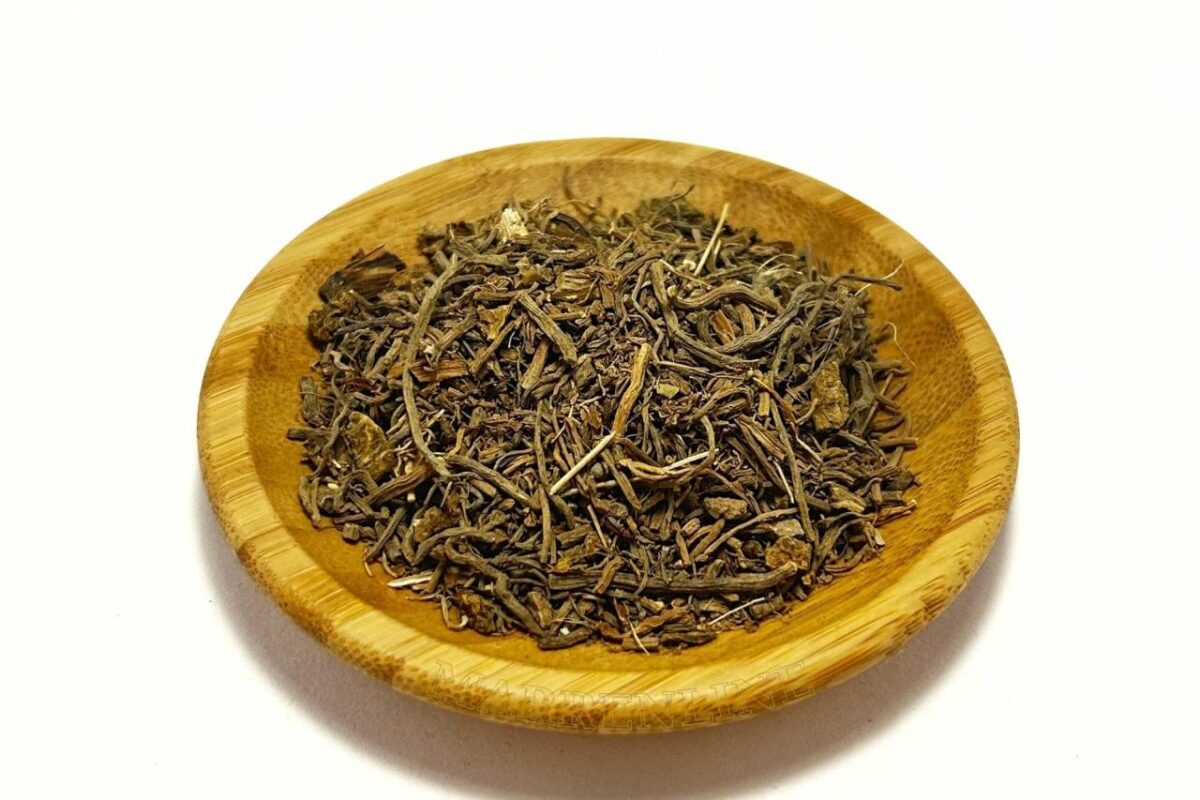
Valerian root has long been celebrated for its calming properties, capturing the interest of herbalists and those seeking natural remedies. With a rich history that spans various cultures, this remarkable herb is often used to alleviate anxiety and promote restful sleep. Understanding its traditional uses and active compounds opens the door to appreciating its role in modern herbal medicine.
From ancient civilizations that revered its healing capabilities to contemporary studies that validate its effectiveness, Valerian root is not just a relic of the past but a relevant option for those looking to manage stress and anxiety in today’s fast-paced world.
The historical use of Valerian root in traditional medicine
Valerian root, derived from the Valeriana officinalis plant, has a rich history of use in traditional medicine across various cultures. Known for its calming properties, it has been utilized for centuries to alleviate anxiety, promote sleep, and improve overall mental well-being. Its significance stretches back to ancient civilizations, where it played a prominent role in herbal traditions and therapeutic practices.
In ancient Greece, Valerian root was used by physicians such as Hippocrates, who is often referred to as the father of medicine. He recognized its sedative effects and recommended it for treating various ailments, including insomnia and nervous disorders. The Romans also valued Valerian for its restorative properties, employing it in remedies for digestive issues and as an antidote for pests. This widespread acceptance of Valerian root in classical antiquity laid the groundwork for its use in subsequent cultures.
As we move through history, Valerian found a place in traditional Chinese medicine, where it was utilized to treat restlessness and anxiety. Practitioners believed that the herb helped to harmonize the mind and body, enhancing overall tranquility. In medieval Europe, the root became a key ingredient in various herbal concoctions, often combined with other plants known for their calming effects, such as hops and chamomile. The synergy of these herbs was thought to create a powerful remedy for sleep disturbances and anxiety.
Medicinal practices associated with Valerian root
Various medicinal practices involving Valerian root reflect its significance in herbal traditions across the globe. The following points summarize these practices and their historical relevance:
– Sleep Aid: Valerian root has been primarily recognized as a natural remedy for insomnia. Ancient texts document its use as a sleep aid, showcasing its ability to enhance sleep quality and reduce the time taken to fall asleep.
– Anxiety Relief: Many cultures have employed Valerian root to alleviate anxiety and stress. Its calming effects are well-documented, with evidence from historical accounts suggesting its use by those suffering from excessive worry and nervousness.
– Digestive Health: In addition to its mental health benefits, Valerian root has been used to aid digestion. Ancient herbalists often recommended it for gastrointestinal discomfort, believing it helped to ease symptoms such as bloating and cramping.
– Relief from Menstrual Cramps: Valerian has been utilized to relieve menstrual pain, a practice rooted in the belief that its antispasmodic properties could help ease discomfort during menstruation.
– Traditional Remedies: In folk medicine, Valerian root has been combined with other herbs to create complex remedies aimed at treating a variety of ailments. These combinations highlight the herb’s versatility and significance in holistic approaches to health.
In summary, Valerian root’s historical use in traditional medicine underscores its longstanding value across cultures. From ancient Greece to modern herbal practices, its calming properties have made it a staple in the herbal pharmacopoeia, providing a bridge between past and present therapeutic practices.
The active compounds found in Valerian root and their effects
Valerian root, scientifically known as Valeriana officinalis, has been valued for centuries for its calming effects and is often used as a natural remedy for insomnia and anxiety. The root contains a variety of active compounds that contribute to its pharmacological effects. Understanding these compounds and their mechanisms of action sheds light on the potential benefits of Valerian root for those seeking natural alternatives for relaxation and sleep support.
The primary active ingredients in Valerian root include valerenic acid, valeranone, and a range of flavonoids, including hesperidin and linarin. Valerenic acid is particularly noteworthy as it interacts with the GABA (gamma-aminobutyric acid) receptors in the brain, which are crucial for regulating neuronal excitability. This interaction leads to a calming effect on the central nervous system, promoting relaxation and potentially enhancing sleep quality. Valeranone, another significant compound, also contributes to this mechanism by modulating GABAergic activity.
Mechanisms of Action of Valerian Compounds
The mechanisms through which Valerian root exerts its effects are multifaceted and involve various pathways in the body.
The main aspects of these mechanisms include:
- GABA Receptor Modulation: Valerenic acid enhances the binding of GABA at its receptors, which helps to increase GABAergic activity. This is particularly important for individuals suffering from anxiety and sleep disorders, as GABA serves as a primary inhibitory neurotransmitter in the brain.
- Reducing Cortisol Levels: Some studies suggest that Valerian root may lower cortisol levels, the stress hormone, thereby alleviating stress and promoting a sense of calm.
- Antioxidant Properties: The flavonoids found in Valerian root exhibit antioxidant effects, helping to combat oxidative stress in the body, which is linked to various health issues, including anxiety and sleep disturbances.
- Modulating Serotonin Levels: There is some evidence that Valerian might influence serotonin pathways, potentially enhancing mood and emotional well-being.
Additionally, Valerian root has sedative properties that are attributed to its ability to affect the sleep-wake cycle. The calming effects of Valerian can help reduce the time it takes to fall asleep and improve overall sleep quality, making it a popular choice among those seeking natural sleep aids.
In summary, the combination of valerenic acid, valeranone, and various flavonoids work synergistically to promote relaxation, reduce anxiety, and improve sleep quality. The pharmacological profile of Valerian root illustrates its potential as a valuable herbal remedy in the realm of natural wellness.
The role of Valerian root in managing anxiety and stress
Valerian root, derived from the Valeriana officinalis plant, has been recognized for centuries as a natural remedy for anxiety and stress management. Known for its mild sedative properties, Valerian root is often sought after by those looking to alleviate tension and promote relaxation without the side effects associated with conventional pharmaceuticals. The growing interest in herbal remedies has led to increasing exploration of Valerian root’s effectiveness in clinical settings, providing a more substantial understanding of its role in mental health treatment.
Clinical studies have shown promising results regarding the efficacy of Valerian root in managing anxiety. Research indicates that Valerian root may help reduce anxiety symptoms by influencing the neurotransmitter gamma-aminobutyric acid (GABA), which plays a crucial role in regulating mood and anxiety levels. For instance, a study published in the journal *Phytotherapy Research* found that participants who took Valerian root experienced significant reductions in anxiety levels compared to a placebo group. This study highlights the potential of Valerian root as a natural alternative for those seeking relief from anxiety without the risks associated with synthetic medications.
Impact of Valerian root on mental health treatment
The implications of using Valerian root in mental health treatment are substantial, particularly for individuals seeking natural options. Its sedative effects make it a popular choice for managing not just anxiety, but also stress-related symptoms. Understanding the role of Valerian root in mental health can provide valuable insights for both patients and healthcare providers. Some notable points include:
- Natural alternative: Valerian root serves as a natural alternative to prescription anxiolytics, appealing to those who prefer holistic approaches to their mental health care.
- Minimal side effects: Unlike many conventional anti-anxiety medications, Valerian root generally has fewer side effects, making it a more tolerable option for long-term use.
- Accessibility: Available as a dietary supplement in various forms, including capsules, teas, and tinctures, Valerian root is easily accessible to those looking for anxiety relief.
- Quality of sleep: Studies suggest that Valerian root can improve sleep quality, which is often disrupted by anxiety and stress, thus contributing to improved overall mental health.
Valerian root’s effectiveness and safety profile continue to be evaluated in ongoing research. It’s important for individuals considering Valerian root to consult with healthcare professionals, especially if they are already taking other medications or have underlying health conditions. This holistic approach to managing anxiety through natural remedies like Valerian root can empower individuals to take control of their mental health in a supportive and effective manner.
“Valerian root offers a natural path to managing anxiety, providing benefits that are increasingly supported by clinical research.”
Recommended dosages and forms of Valerian root
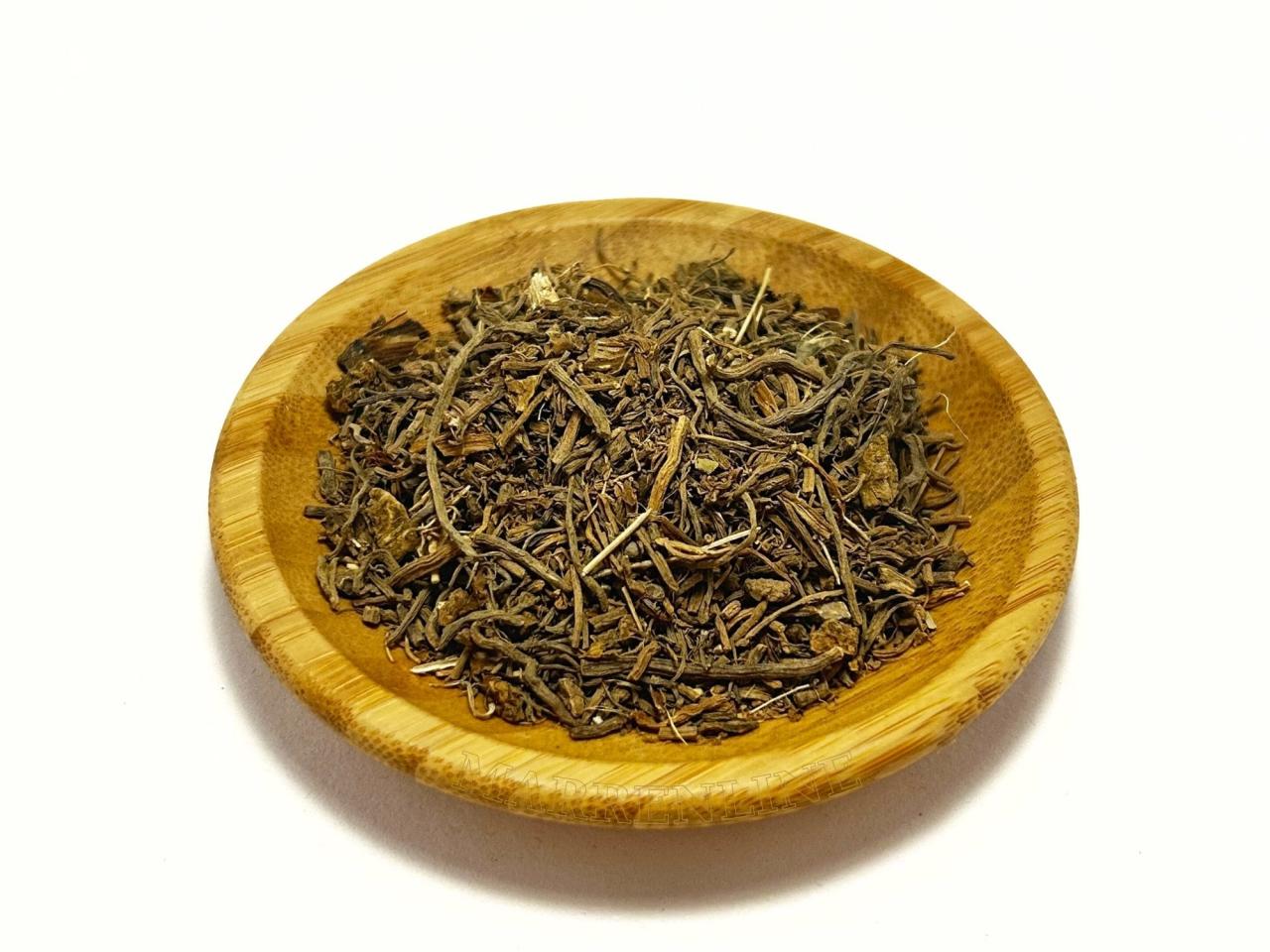
Valerian root is widely recognized for its calming properties and is available in various forms, each suited to different preferences and needs. Understanding the available forms and their recommended dosages is essential for effective use. This section Artikels the different forms of Valerian root, appropriate dosages, and a comparative analysis of effectiveness across these forms.
Forms of Valerian root
Valerian root can be found in several formats, providing flexibility for users to choose based on their lifestyle. The most common forms include capsules, teas, and tinctures. Each form possesses unique characteristics that may influence user preference and efficacy.
- Capsules: These are convenient for those who prefer a quick and easy method of intake. They typically contain powdered Valerian root and can provide consistent dosing.
- Teas: Infusing dried Valerian root in hot water creates a soothing herbal tea, which can be a comforting way to consume the herb. This form is beneficial for individuals who enjoy a warm beverage as part of their routine.
- Tinctures: Extracted in alcohol or glycerin, tinctures offer a concentrated form of Valerian root. This method is suitable for those looking for rapid absorption and higher potency.
Recommended dosages for different applications
Dosages of Valerian root can vary based on the form used and the specific needs of the user. It’s important to refer to reliable guidelines to ensure safe and effective usage.
| Form | Standard Dosage | Application | Notes |
|---|---|---|---|
| Capsules | 300-600 mg, 30 minutes to 2 hours before sleep | Sleep aid | Start with lower dosage to assess tolerance. |
| Teas | 2-3 grams of dried root steeped for 10-15 minutes | Sleep support or relaxation | May be consumed 1-2 times per day. |
| Tinctures | 20-30 drops, 30 minutes before bedtime | Immediate calming effect | More concentrated; adjust based on individual response. |
Always consult with a healthcare professional before starting any new supplement regimen, especially for individuals with underlying health conditions or those taking other medications.
Potential side effects and interactions of Valerian root
Valerian root, often celebrated for its calming properties and ability to promote sleep, is not without its potential downsides. While many individuals find relief from anxiety and insomnia through its use, it’s crucial to be aware of the possible side effects and interactions that could arise from its consumption. Understanding these aspects can help ensure a safe and beneficial experience with this herbal remedy.
Common side effects associated with Valerian root consumption can vary, but many users report certain reactions. These side effects are generally mild and may include:
- Headaches
- Dizziness or lightheadedness
- Upset stomach or gastrointestinal discomfort
- Daytime drowsiness or fatigue
- Allergic reactions, though rare
It’s worth noting that while these side effects are typically not severe, they can impact daily activities. Individuals may find themselves feeling overly drowsy or experiencing headaches, which could interfere with work or social engagements.
Possible interactions with medications and substances
When considering the use of Valerian root, it’s essential to acknowledge its potential interactions with other medications and substances. Valerian can enhance the effects of sedatives and central nervous system depressants, which can lead to increased drowsiness or respiratory depression. This makes it especially important for individuals taking medications such as:
- Benzodiazepines (e.g., diazepam, lorazepam)
- Barbiturates
- Alcohol
- Opioids
The interaction between Valerian and these substances can be particularly pronounced, leading to heightened sedation. Moreover, Valerian may also interfere with the efficacy of some medications, such as those used to manage psychiatric disorders, by altering their metabolization.
Additionally, Valerian root can interact with herbal supplements that have sedative properties, including kava and passionflower. Combining these substances may amplify their effects, leading to unforeseen consequences.
Consulting healthcare professionals before using Valerian root is essential. Healthcare providers can offer tailored advice based on individual health profiles and current medications, ensuring that the use of Valerian aligns with overall health goals. A thorough assessment can prevent adverse side effects and interactions, promoting a safe approach to managing symptoms of anxiety and insomnia. Always prioritize safety and informed decision-making when incorporating herbal remedies into your regimen.
Current research and future trends regarding Valerian root
Recent studies have been focusing on the efficacy of Valerian root, primarily for its potential in improving sleep quality and reducing anxiety. Researchers are increasingly interested in the mechanisms through which this herbal remedy operates, as well as exploring its applications in other areas of mental health. This growing body of research highlights the relevance of traditional herbal remedies in modern therapeutic practices.
Insights from Recent Studies
Studies have shown that Valerian root may significantly improve sleep onset and quality compared to placebo. A systematic review published in 2021 analyzed multiple clinical trials, concluding that valerian extracts effectively reduced the time it takes to fall asleep and enhanced overall sleep quality. One notable clinical trial involved participants who reported insomnia and showed measurable improvements in sleep quality and duration after taking Valerian root for four weeks.
Additionally, some research has started exploring Valerian’s anxiolytic properties. A study published in the “Journal of Ethnopharmacology” found that Valerian root extract demonstrated a significant reduction in anxiety-like behavior in animal models, suggesting potential benefits for individuals dealing with anxiety disorders. The ongoing research indicates that Valerian root holds promise not only for insomnia but also for broader mental health applications.
Emerging Trends in Herbal Remedies
There is an increasing trend towards integrating herbal remedies like Valerian root into holistic health practices. This trend is characterized by a shift toward natural alternatives to pharmaceuticals for mental wellness. Consumers are becoming more aware of the side effects associated with conventional medications and are seeking out natural options that can provide relief with fewer risks.
The popularity of herbal supplements is also leading to innovations in product formulations. For instance, Valerian root is being combined with other soothing herbs like chamomile, passionflower, and lemon balm. These synergistic blends aim to enhance efficacy for better sleep and stress relief. Moreover, the rise of personalized supplements tailored to individual health needs is becoming a significant trend, with Valerian root being a core component in many formulations aimed at promoting relaxation and sleep.
Potential Areas for Further Research
Future research could explore several key areas related to Valerian root. Investigating its effect on various sleep disorders beyond general insomnia is essential, including sleep disturbances due to conditions like depression or chronic pain. Additionally, further studies on the long-term safety and efficacy of Valerian root, especially in populations such as children or the elderly, could provide invaluable insights.
Another promising area is the interaction of Valerian root with other medications. Understanding how it may affect or be affected by other treatments could enhance its integration into multi-faceted therapeutic strategies. Finally, exploring the biochemical pathways through which Valerian root exerts its effects may pave the way for developing novel therapeutic agents based on its active compounds, thus further bridging the gap between traditional herbal medicine and modern pharmacology.
The comparison of Valerian root with other natural sleep aids
Valerian root has gained attention as a natural remedy for sleeplessness, often compared to other popular sleep aids like melatonin and chamomile. Each of these alternatives has unique properties and effects on sleep, making it essential to evaluate them for those seeking a good night’s rest. By understanding their distinctions, individuals can make informed choices regarding their sleep health.
Valerian root is often praised for its sedative properties, making it a go-to choice for those struggling with insomnia. In contrast, melatonin is a hormone that helps regulate sleep-wake cycles, while chamomile, an herbal tea, is renowned for its calming effects. Below is a comparison highlighting the effectiveness, benefits, and drawbacks of Valerian root alongside these other sleep aids.
Comparative attributes of Valerian root, melatonin, and chamomile
To facilitate understanding of these sleep aids, the following table summarizes their key attributes:
| Attribute | Valerian Root | Melatonin | Chamomile |
|---|---|---|---|
| Primary Use | Insomnia and anxiety relief | Regulation of sleep-wake cycle | Relaxation and mild sleep aid |
| Onset of Action | 30 minutes to 2 hours | 30 minutes to 1 hour | 15 to 30 minutes |
| Duration of Effect | Up to 6 hours | 4 to 8 hours | 2 to 4 hours |
| Common Side Effects | Drowsiness, headache, digestive upset | Drowsiness, dizziness, mood changes | Allergic reactions, drowsiness |
| Form of Consumption | Capsules, tea, tinctures | Pills, gummies, liquid | Tea, capsules |
| Advantages | Natural, non-habit forming | Helps with jet lag, easy to dose | Widely available, pleasant taste |
| Disadvantages | May take time to see effects | Possible hormonal effects, not suitable for everyone | Less effective for severe insomnia |
The advantages of using Valerian root include its natural origins and low risk of dependency. However, it may take some time to notice effects, which can be a drawback for those seeking immediate relief. In contrast, melatonin can be particularly effective for adjusting sleep cycles and is convenient for travelers. However, it may not be appropriate for everyone due to potential hormonal impacts. Chamomile serves as a mild sleep aid with a soothing flavor, ideal for those who prefer a gentle approach, albeit it may not tackle more severe insomnia cases effectively.
“Understanding the unique attributes of each sleep aid is key to finding the right fit for individual sleep needs.”
Conclusion

In summary, Valerian root emerges as a multifaceted herbal remedy that has stood the test of time. Whether you are exploring its historical significance, its active compounds, or its efficacy in managing anxiety, this natural ally offers promising benefits. As research continues to evolve, staying informed about Valerian root can empower individuals to make educated choices about their mental health and well-being.
FAQ
What is Valerian root used for?
Valerian root is primarily used for its calming effects, helping to reduce anxiety and improve sleep quality.
Are there any side effects associated with Valerian root?
Common side effects can include dizziness, headache, and gastrointestinal issues.
Can Valerian root interact with medications?
Yes, Valerian root may interact with sedatives, anti-anxiety medications, and certain antidepressants.
How long does it take for Valerian root to work?
Effects may vary, but many users report feeling calmer within 30 minutes to 2 hours after consumption.
Is Valerian root safe for long-term use?
While generally considered safe for short-term use, long-term safety has not been extensively studied.