
 Caroline Sarah
Chamomile tea, a soothing herbal infusion, has been cherished across various cultures for centuries, transcending time and geography. From ancient civilizations that revered its calming properties to modern wellness routines that celebrate its benefits, chamomile tea has woven itself into the fabric of daily life for many. This delightful beverage not only offers a moment of tranquility but also boasts a plethora of health benefits, making it a staple in both traditional and contemporary settings.
As we explore the fascinating history, health advantages, preparation methods, and innovative recipes involving chamomile tea, it becomes clear why this humble flower is so much more than just a drink. With its roots deeply embedded in cultural rituals and its relevance in today’s wellness practices, chamomile tea invites us into a world rich with flavor and health.
The historical significance of chamomile tea in different cultures
Chamomile tea, known for its calming properties, has been cherished across various cultures throughout history. This herbal infusion has roots that trace back to ancient civilizations, where it was utilized not only for its flavor but also for its medicinal benefits. As we explore its historical significance, we delve into the myriad ways chamomile tea has been woven into the fabric of societal rituals and traditions.
The origins of chamomile tea can be traced back to ancient Egypt, where it was revered for its healing attributes. Egyptians often used chamomile to treat ailments and as an offering to the sun god, Ra. This floral infusion was also popular among the Greeks and Romans, who recognized its therapeutic properties. Historically, chamomile was utilized as a remedy for fevers, inflammation, and digestive issues, which showcased its multifaceted benefits in everyday life.
Use in Ancient Civilizations
Chamomile tea’s historical significance is particularly notable in ancient civilizations, where it served multiple purposes beyond mere consumption. Ancient Egyptians were not the only ones to appreciate its properties; Greeks and Romans also integrated chamomile into their daily rituals.
- In ancient Egypt, chamomile was often used in herbal remedies and cosmetics, believed to have protective qualities and enhance beauty.
- The Greeks, particularly Hippocrates, acknowledged chamomile for its medicinal capabilities, prescribing it for various ailments, including digestive disorders and fevers.
- Romans utilized chamomile as a flavoring agent in their wines and as a soothing tea, establishing its status in culinary practices.
The relevance of chamomile tea extended beyond health, as it became a symbol of hospitality and comfort. It played a role in social gatherings and was often served to guests as a gesture of warmth and care.
Cultural Rituals and Traditions
Across various cultures, chamomile tea has been integral to rituals and traditions, reflecting its significance in social and spiritual contexts. This herbal tea has often been associated with relaxation and healing, forming a bond among people sharing a cup.
- In Russia, chamomile is used in traditional tea ceremonies, symbolizing peace and tranquility, often enjoyed in a samovar with family and friends.
- The Native Americans valued chamomile for its soothing properties, using it in ceremonies to promote healing and spiritual connection.
- In German folklore, chamomile was associated with the goddess of love and was often included in wedding ceremonies to bless the union with harmony and affection.
These cultural connections highlight chamomile tea’s role as more than just a beverage; it embodies community, care, and shared experiences across generations.
Valuation Throughout History
Chamomile tea’s value has varied throughout history, influenced by cultural beliefs and health practices. It has often been regarded as a luxury item in some societies, reflecting its esteemed status.
- During the Middle Ages in Europe, chamomile was often cultivated in monasteries and used for medicinal purposes, showcasing its high regard among herbalists and healers.
- In the 19th century, with the rise of herbal medicine, chamomile gained popularity as a common remedy for insomnia and anxiety, affirming its place in traditional medicine.
- Today, chamomile remains a staple in many households, symbolizing comfort and relaxation, and is widely consumed for its calming effects.
In summary, chamomile tea’s historical significance is deeply rooted in various cultures, highlighting its role in health, rituals, and community bonding throughout the ages.
The health benefits associated with chamomile tea consumption
Chamomile tea, a soothing herbal infusion made from the dried flowers of the chamomile plant, has been cherished for centuries for its remarkable health benefits. Known primarily for its calming properties, this remedy has earned a place in many households, serving both as a comforting beverage and a natural solution to various health issues.
Chamomile tea is renowned for its calming effects, making it a popular choice for promoting relaxation and improving sleep quality. Scientific studies have shown that chamomile contains antioxidants, such as apigenin, which bind to specific receptors in the brain that induce sleepiness and reduce insomnia. Furthermore, chamomile has demonstrated potential digestive support by alleviating indigestion and bloating. This beverage can be particularly beneficial after meals, as it helps relax the muscles of the intestines, which may aid in digestion.
Calming effects and digestive support
The calming effects of chamomile tea extend beyond just promoting sleep; they also contribute significantly to reducing anxiety and stress levels. The sedative properties of chamomile make it an effective natural remedy for individuals dealing with everyday stressors. Research has indicated that regular consumption of chamomile tea may decrease symptoms of generalized anxiety disorder and can improve overall mood.
In terms of digestive support, chamomile tea is widely used in traditional medicine to alleviate gastrointestinal issues. It is believed to possess anti-inflammatory properties that can soothe the digestive tract. Scientific studies have confirmed that chamomile can help reduce the severity of conditions like irritable bowel syndrome (IBS) and can assist in relieving symptoms of nausea.
To illustrate the health benefits of chamomile tea, here’s a comparison with other herbal teas that also provide calming and digestive support:
Comparison of benefits between chamomile tea and other herbal teas
While chamomile tea stands out for its unique soothing properties, other herbal teas offer various health benefits. Below is a comparison highlighting the key features of chamomile tea versus some popular alternatives:
| Herbal Tea | Calming Effects | Digestive Support |
|---|---|---|
| Chamomile Tea | Yes, effective for reducing anxiety and promoting sleep | Yes, helps with indigestion and bloating |
| Lavender Tea | Yes, known for reducing stress and improving sleep quality | Limited, primarily used for calming rather than digestion |
| Peppermint Tea | No significant calming effects | Yes, highly effective for relieving digestive discomfort and bloating |
| Ginger Tea | Moderate, can help with relaxation but not a primary benefit | Yes, well-known for aiding digestion and alleviating nausea |
In summary, chamomile tea offers unique health benefits that enhance relaxation and support digestion, making it a valuable addition to any herbal tea collection. Its calming effects are well-documented, and when compared to other herbal teas, chamomile presents distinct advantages for both mental tranquility and digestive health.
Methods for preparing chamomile tea to maximize its flavor and benefits
Brewing chamomile tea is an art that can significantly enhance its flavor and health benefits. The process involves careful selection of ingredients and precise brewing techniques. Understanding these methods can elevate your tea experience and provide the soothing effects chamomile is known for.
To brew chamomile tea effectively, one must pay attention to water temperature and steeping time. The ideal water temperature for brewing chamomile tea is typically around 200°F (93°C), just below boiling. This temperature helps to extract the essential oils and flavors from the chamomile flowers without causing bitterness. Steeping time is equally crucial; a general guideline is to steep for 5 to 10 minutes. Longer steeping times can intensify both the flavor and benefits, while shorter times result in a milder taste.
Preparation using loose flowers versus tea bags
The choice between loose chamomile flowers and tea bags can affect the overall quality and experience of your tea. Here’s a comparative look at each method:
– Loose Flowers: Using loose chamomile flowers allows for greater control over the flavor and strength of the tea. When using loose flowers, it is recommended to use about 1 to 2 teaspoons of dried flowers per cup of water. Place the flowers in a tea infuser or teapot and pour hot water over them. After steeping for the desired time, simply remove the infuser or strain the tea. This method often results in a richer flavor as the flowers have more room to expand and release their properties.
– Tea Bags: Tea bags offer convenience and ease of use. For a standard cup, one tea bag is typically sufficient. However, the flavor may not be as robust as that from loose flowers, since the flowers may be more finely chopped and have limited space for infusion. When using tea bags, follow the brewing instructions on the package, which usually recommend a steeping time of around 5 minutes.
Variations in preparation for health benefits or flavor profiles
Different preparation methods can lead to variations in both flavor and health benefits. Adjusting the ingredients and steeping techniques can cater to specific needs or preferences.
For enhanced relaxation, consider adding a splash of honey or a slice of lemon to your chamomile tea. Honey not only sweetens the tea but also adds its own soothing properties, while lemon can provide a refreshing citrus note. For those seeking a more robust flavor, blending chamomile with other herbs like peppermint or lavender can create a delightful herbal infusion.
“Combining chamomile with peppermint may enhance digestion, while lavender lends additional calming effects.”
When aiming for specific health benefits, the combination of ingredients is key. For example, combining chamomile with ginger can aid in soothing digestive issues, while adding turmeric can provide anti-inflammatory benefits. The choice of preparation can substantially alter the profile of benefits derived from the tea, making it a versatile beverage for various needs.
In summary, the methods of brewing chamomile tea, whether with loose flowers or tea bags, along with thoughtful ingredient combinations, can significantly enhance both flavor and health benefits. The process is simple yet rewarding, allowing for a personalized tea experience that caters to individual preferences and wellness goals.
The role of chamomile tea in modern wellness practices
Chamomile tea, a staple in herbal medicine, has gained significant traction in the realm of modern wellness and self-care routines. With its calming properties and numerous health benefits, it serves as a soothing beverage that complements a holistic approach to well-being. As people increasingly turn to natural remedies for stress relief and overall health, chamomile tea stands out as a beloved choice in contemporary wellness practices.
In today’s fast-paced world, the incorporation of chamomile tea into daily routines has become a key aspect of many holistic health approaches. Its popularity in wellness communities can be attributed to its perceived effects on anxiety reduction, sleep enhancement, and digestive health. The gentle yet effective nature of chamomile makes it a go-to option for those seeking comfort and tranquility in their busy lives.
Integration of chamomile tea in wellness practices
Chamomile tea seamlessly integrates into a variety of wellness practices, reinforcing its status as a vital component in self-care routines. Below are several practices where chamomile tea can play a beneficial role:
Incorporating chamomile tea into these practices can enhance their effectiveness and contribute to a balanced lifestyle:
- Evening Wind-Down Ritual: Sipping chamomile tea before bedtime can promote relaxation and improve sleep quality, making it an essential part of a night-time self-care routine.
- Mindfulness and Meditation: The soothing aroma and taste of chamomile tea can create a serene atmosphere, enhancing meditation sessions and mindfulness practices.
- Digestive Aid: Drinking chamomile tea after meals supports digestion and can alleviate discomfort, making it a helpful addition to healthy eating habits.
- Stress Relief: Incorporating chamomile tea during break times can provide a calming effect, helping to reduce daily stress and anxiety levels.
- Post-Workout Recovery: Chamomile tea can serve as a relaxing beverage after physical activity, aiding in muscle recovery and promoting a sense of calm.
Chamomile tea not only supports physical health but also nurtures emotional well-being, making it a cornerstone of modern wellness practices.
Potential side effects and contraindications of chamomile tea
Chamomile tea is often celebrated for its soothing properties and potential health benefits, but like any herbal remedy, it may not be suitable for everyone. Understanding the possible side effects and the groups who should avoid chamomile tea can help ensure a safe experience for all consumers. This section delves into the known side effects, contraindications, and interactions with medications and health conditions.
Known side effects of chamomile tea
While chamomile tea is generally considered safe for most people, it can cause side effects in some cases. These side effects may include:
- Allergic Reactions: Individuals who are allergic to plants in the Asteraceae family, such as ragweed, may experience allergic reactions to chamomile. Symptoms can include skin rashes, itching, or difficulty breathing.
- Gastrointestinal Distress: Some people might experience nausea, vomiting, or diarrhea after consuming chamomile tea, especially in larger quantities.
- Excessive Drowsiness: Chamomile is known for its calming effects, which may lead to excessive drowsiness or sedation, particularly when combined with other sedatives.
- Interactions with Hormones: Chamomile may have estrogenic effects and should be avoided by individuals with hormone-sensitive conditions.
Interactions with medications and health conditions
Chamomile tea can interact with various medications and health conditions, which is crucial to consider before consumption. Some known interactions include:
- Blood Thinners: Chamomile may enhance the effects of anticoagulant medications (e.g., warfarin), increasing the risk of bleeding.
- Sedatives: Since chamomile can have sedative effects, combining it with other sedative medications (e.g., benzodiazepines) may lead to excessive sedation.
- Antiplatelet Drugs: Similar to blood thinners, chamomile could increase the risk of bleeding when taken with antiplatelet drugs like aspirin.
- Hormonal Therapies: Those undergoing hormone therapy or with hormone-sensitive conditions should consult with a healthcare provider, as chamomile may mimic estrogen in the body.
Unexpected reactions to chamomile tea
Personal anecdotes regarding unexpected reactions to chamomile tea often highlight individual sensitivities that may not be widely documented. Here are a few examples:
- A user reported experiencing severe drowsiness after drinking chamomile tea in the evening, leading to an unintended early bedtime and difficulty waking up the next day.
- Someone with no known allergies consumed chamomile tea and later developed an itchy rash, prompting them to seek medical advice.
- Another individual on blood thinners shared that after incorporating chamomile tea into their routine, they noticed increased bruising and bleeding, leading to a discussion with their doctor about the potential interactions.
These real-life experiences underscore the importance of being aware of one’s health status and possible sensitivities when integrating chamomile tea into one’s diet.
Innovative recipes incorporating chamomile tea as an ingredient
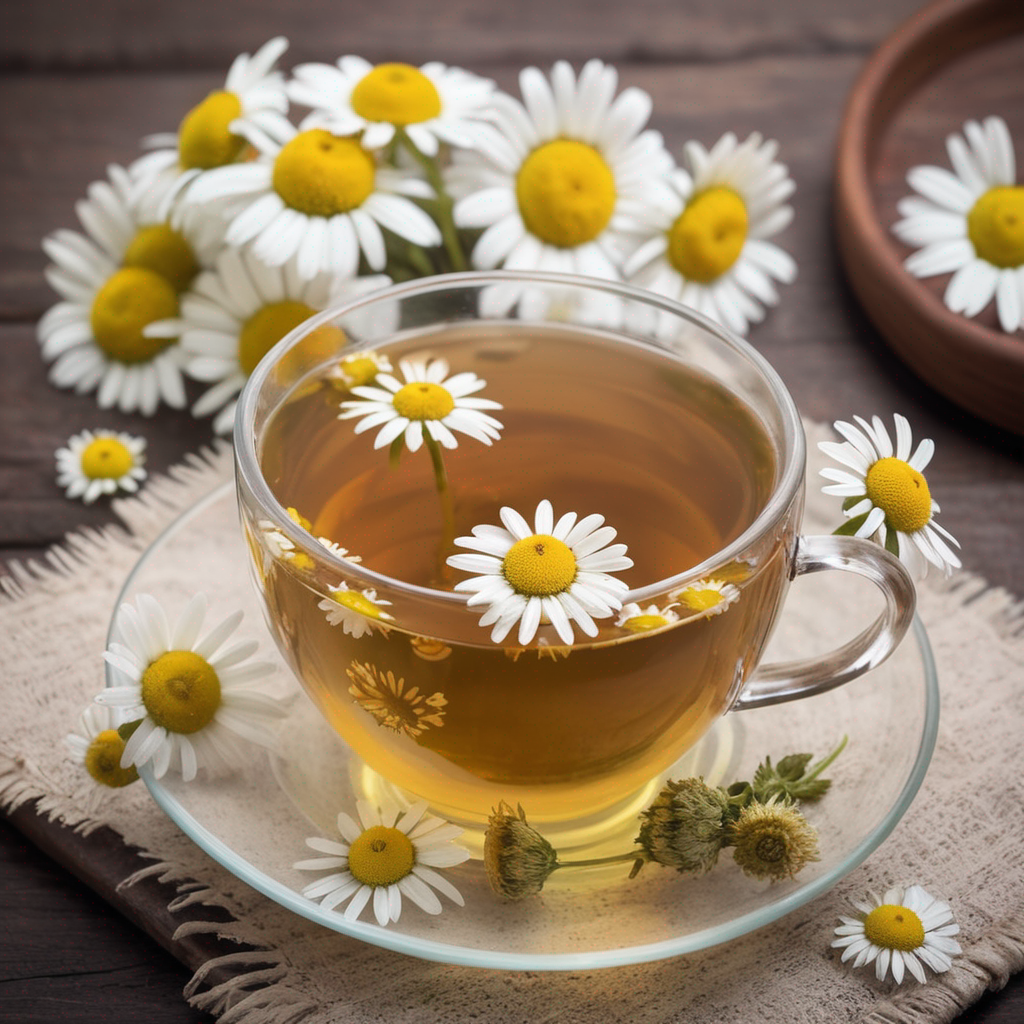
Chamomile tea, known for its soothing properties and floral flavor, can elevate various culinary creations. From refreshing beverages to delightful desserts, this gentle tea adds a unique twist to traditional recipes. Incorporating chamomile tea into your cooking not only enhances the flavor but also brings the added benefits of its calming effects to your meals.
Utilizing chamomile tea in innovative recipes allows for creativity in the kitchen. Its subtle taste can complement both sweet and savory dishes, making it a versatile ingredient. Below, you’ll find a selection of unique recipes that incorporate chamomile tea, showcasing its potential in diverse culinary practices.
Chamomile Tea Infused Beverages
Beverages are an excellent way to highlight the delicate flavor of chamomile tea. Here are a few innovative drink recipes that use chamomile as a key ingredient:
- Chamomile Iced Latte: Brew a strong chamomile tea and let it cool. Combine it with frothed milk and a sweetener of your choice. Pour over ice for a refreshing twist on a traditional latte.
- Chamomile Mojito: Muddle fresh mint leaves and lime juice in a glass. Add chilled chamomile tea, sugar, and soda water for a unique non-alcoholic cocktail.
- Chamomile and Ginger Tea: Steep chamomile tea with fresh ginger slices for a warming drink. Add honey for sweetness and serve hot or cold.
Chamomile Tea in Desserts
Chamomile tea can bring an unexpected floral note to desserts. Consider these delicious sweet treats that feature chamomile:
- Chamomile Panna Cotta: Infuse cream with chamomile tea while heating. Combine with gelatin and chill to create a smooth, aromatic dessert, perfect for serving with a berry compote.
- Chamomile Shortbread Cookies: Incorporate finely ground chamomile tea leaves into your shortbread dough for a subtle floral flavor. These cookies pair wonderfully with afternoon tea.
- Chamomile Infused Rice Pudding: Cook rice in a mixture of chamomile tea and milk, adding sugar and vanilla for a fragrant twist on this classic dessert.
Adapting Traditional Recipes
Chamomile tea can easily be adapted into traditional recipes, enhancing familiar dishes with its unique flavor. Here are some ways to incorporate chamomile into classic recipes:
- Chamomile-Infused Soups: Steep chamomile tea in broth before adding it to vegetable or chicken soup for a subtle hint of sweetness.
- Chamomile Salad Dressing: Use chamomile tea as a base for vinaigrettes, combining it with olive oil, vinegar, and herbs for a refreshing twist on salads.
- Chamomile-Enhanced Pancakes: Substitute chamomile tea for milk in pancake batter, adding a unique floral aroma to your breakfast.
“Chamomile’s delicate flavor can enhance both sweet and savory dishes, making it an incredibly versatile ingredient in the kitchen.”
Creative Culinary Infusions
Exploring creative culinary infusions with chamomile tea can lead to delightful surprises. Here are some innovative methods of incorporating chamomile into your cooking:
- Chamomile-Infused Oils: Create infused oils by steeping chamomile flowers in olive oil, perfect for drizzling over salads or roasted vegetables.
- Chamomile Tea Ice Cubes: Freeze brewed chamomile tea in ice cube trays. Use these cubes in drinks or as a cooling element in cocktails.
- Chamomile Syrup: Make a simple syrup infused with chamomile by combining equal parts sugar and water with brewed chamomile tea. Use it to sweeten beverages or desserts.
Exploring the environmental impact of chamomile tea production
Chamomile tea, cherished for its calming properties, also has a significant environmental footprint linked to its production. Understanding this impact involves examining the cultivation methods, challenges posed by climate change, and the efforts of ethical brands in promoting sustainability.
The cultivation of chamomile primarily occurs through various farming practices, each with differing implications for environmental sustainability. Many chamomile producers opt for organic farming methods, which emphasize the use of natural fertilizers and pest control, reducing the reliance on harmful chemicals. This not only decreases soil and water pollution but also fosters biodiversity by maintaining healthy ecosystems. However, conventional farming methods can lead to soil degradation and biodiversity loss through monoculture practices.
Cultivation methods and sustainability
The choice of cultivation methods plays a crucial role in determining the sustainability of chamomile tea production. Organic chamomile farming, which avoids synthetic pesticides and fertilizers, supports a healthier environment. This approach often includes crop rotation and intercropping, which help maintain soil health and promote various species of flora and fauna.
Key sustainable practices in chamomile cultivation include:
- Organic farming: Utilizes natural inputs and promotes biodiversity.
- Soil conservation techniques: Methods like cover cropping and reduced tillage help protect soil integrity.
- Water management: Efficient irrigation techniques reduce water usage and prevent over-extraction from natural sources.
Despite these advancements, chamomile farming faces significant challenges due to climate change. Rising temperatures and erratic weather patterns can adversely affect crop yields and quality. Furthermore, the loss of biodiversity undermines the resilience of chamomile crops, making them more vulnerable to pests and diseases. These challenges necessitate innovative solutions and adaptive farming practices.
Challenges of climate change and biodiversity
Climate change poses a multifaceted threat to chamomile production, impacting growth cycles and the viability of plants. Fluctuations in temperature and precipitation can lead to crop failures or diminished quality. Biodiversity loss exacerbates these issues, as fewer plant varieties can lead to increased susceptibility to pests and diseases, threatening the sustainability of chamomile crops.
The key challenges include:
- Altered growth conditions: Changes in temperature and rainfall patterns directly affect chamomile flowering and yield.
- Pest and disease prevalence: Reduced biodiversity increases vulnerability to infestations and illnesses.
- Resource competition: Climate change can intensify competition for water and nutrients among plants.
Ethical brands and sustainable practices
Numerous brands prioritize sustainable practices in their chamomile tea production, reflecting a growing awareness of environmental stewardship. These ethical producers often engage in fair trade practices and work closely with local farmers to promote organic cultivation methods.
Examples of brands committed to sustainability include:
- Traditional Medicinals: Focuses on organic ingredients and supports sustainable agricultural practices.
- Yogi Tea: Utilizes fair trade sourcing and ensures environmentally responsible farming.
- Celestial Seasonings: Advocates for sustainable sourcing and supports organic farming initiatives.
These brands exemplify a commitment to reducing the environmental impact of chamomile tea production while ensuring that the farmers and ecosystems involved are supported and protected.
Final Review

In summary, chamomile tea stands as a testament to the enduring relationship between humans and nature, offering not only a soothing beverage but also a range of health benefits and culinary possibilities. Whether you’re sipping it for relaxation, incorporating it into your self-care routine, or experimenting with new recipes, chamomile tea embodies a perfect blend of tradition and innovation. So, as you brew your next cup, remember that you’re partaking in a time-honored ritual that spans millennia, enriching both your body and spirit.
Helpful Answers
What is chamomile tea good for?
Chamomile tea is primarily used for its calming effects, aiding in sleep, reducing anxiety, and promoting digestion.
Can you drink chamomile tea every day?
Yes, many people drink chamomile tea daily, but moderation is advised to avoid potential side effects.
Is chamomile tea safe during pregnancy?
While chamomile tea is generally considered safe, pregnant individuals should consult with their healthcare provider before consumption.
How does chamomile tea compare to green tea?
Chamomile tea is caffeine-free and primarily used for relaxation, while green tea contains caffeine and is known for its antioxidant properties.
Can chamomile tea cause allergies?
Yes, some individuals may be allergic to chamomile, especially those allergic to plants in the daisy family; it’s best to consult a doctor if you’re unsure.
How should I store chamomile tea?
Chamomile tea should be stored in an airtight container, away from light and moisture, to preserve its flavor and potency.
Can I use chamomile tea for skin care?
Yes, chamomile tea can be used in skin care for its anti-inflammatory properties, often found in DIY face masks and soothing treatments.