
 Caroline Sarah
Valerian tea has a fascinating history woven through various cultures, where it has long been cherished for its calming properties. Originating from the roots of the Valeriana officinalis plant, this herbal remedy has played a significant role in traditional medicine for centuries. From ancient civilizations to modern wellness practices, Valerian tea has been a go-to for those seeking relaxation and relief from stress.
As we explore the myriad benefits and unique characteristics of Valerian tea, we will uncover its health advantages, how it compares to other herbal teas, and the best ways to prepare and enjoy it. Whether you’re new to herbal teas or a seasoned enthusiast, Valerian tea offers a rich tapestry of history and wellness that invites you to sit back and take a sip.
The historical significance of Valerian tea in various cultures
Valerian tea, derived from the roots of the Valeriana officinalis plant, has a rich historical significance that spans across various cultures and civilizations. Traditionally, it has been utilized not only for its calming properties but also for its potential health benefits. Its use dates back to ancient Greece and Rome, where it was valued for its medicinal qualities, particularly as a remedy for insomnia and anxiety. Historical texts reveal that physicians like Hippocrates and Galen recommended valerian for various ailments, marking it as a cornerstone in the herbal medicine toolkit of the time.
As we explore the historical significance of Valerian tea, it is essential to consider its myriad applications and the folklore that has developed around it. In medieval Europe, valerian was often referred to as “all-heal” due to its purported effectiveness in treating a wide range of conditions. It was commonly used by herbalists and apothecaries, who combined it with other herbs to enhance its effects. The mystical qualities attributed to valerian also contributed to its popularity; it was believed to have protective properties against evil spirits and was often included in charms and tinctures designed to ward off negative energy.
Traditional Uses and Folklore Surrounding Valerian
Valerian tea has been perceived through the ages as a versatile remedy, deeply embedded in the cultural practices of various civilizations. Its historical usage can be categorized into several key areas, reflecting its significance in herbal medicine.
– Ancient Greece and Rome: Valerian was highly regarded in ancient texts, where it was prescribed for sleep disorders and anxiety. The Greek physician Dioscorides noted its calming effects, while Galen highlighted its importance in treating various physical ailments.
– Medieval Europe: During this period, valerian was known as “phu” due to its strong odor. It was used extensively in herbal remedies and was a common ingredient in sleep-inducing concoctions. It was believed to be beneficial not only for health but also for spiritual well-being, often used in rituals for protection and purification.
– Asian Traditions: In traditional Chinese medicine, valerian has been recognized for its calming and sedative properties. It has been utilized in formulas aiming to balance the body’s energy and promote restful sleep.
– Folklore and Anecdotes: Numerous stories surround valerian, illustrating its esteemed place in folklore. For instance, it was said that placing valerian under the pillow could lead to prophetic dreams. Additionally, in some cultures, it was believed that the plant could attract love, being associated with romantic charms and potions.
Valerian tea has traversed through history, showcasing its enduring relevance in the realm of herbal remedies. Its multifaceted applications and the rich tapestry of folklore demonstrate not only a deep cultural appreciation but also the significance of nature’s offerings in promoting health and well-being across generations.
The potential health benefits associated with drinking Valerian tea
Valerian tea, made from the roots of the Valeriana officinalis plant, has long been celebrated for its calming properties. This herbal infusion is particularly popular among those seeking natural remedies for sleep disorders and anxiety. The tea is infused with a variety of compounds that may contribute to its therapeutic effects, making it a staple in herbal medicine cabinets. Recognized for its sedative and anxiolytic effects, Valerian tea is often praised for promoting relaxation and improving sleep quality.
The health benefits of Valerian tea can be attributed to its unique composition, which includes valerenic acid, isovaleric acid, and various antioxidants. These compounds work synergistically to enhance the body’s natural ability to cope with stress and anxiety. Below are some notable health benefits associated with drinking Valerian tea:
Health benefits of Valerian tea
Understanding the specific advantages of Valerian tea can help users appreciate its value as a health supplement. Here are the key benefits:
- Improvement in Sleep Quality: Valerian tea is widely recognized for its ability to improve sleep quality and reduce the time it takes to fall asleep. Studies indicate that consuming Valerian can lead to significant improvements in sleep latency and overall sleep satisfaction.
- Reduction of Anxiety: The calming effects of Valerian tea may help alleviate symptoms of anxiety and stress. Clinical trials have shown that the herb can effectively reduce anxiety levels in individuals without the side effects commonly associated with pharmaceutical anxiolytics.
- Muscle Relaxation: Valerian tea may promote muscle relaxation, making it beneficial for those experiencing tension or discomfort. This can be especially useful after a long day or following physical exertion.
- Support for Menstrual Health: Some studies suggest that Valerian tea may help ease menstrual cramps and promote overall reproductive health, providing comfort during the menstrual cycle.
Research indicates that Valerian tea has a quantifiable impact on sleep and anxiety. For instance, a meta-analysis published in the Journal of Sleep Medicine Reviews revealed that Valerian significantly improved sleep quality in 17 of the 18 studies reviewed. In another study, participants who consumed Valerian extract reported a noticeable reduction in anxiety levels compared to the placebo group.
The mechanisms through which Valerian tea impacts the body involve its interaction with neurotransmitter systems. One of the primary actions of Valerian is its influence on gamma-aminobutyric acid (GABA), a neurotransmitter that plays a crucial role in promoting relaxation and reducing neuronal excitability. Valerenic acid, a key compound in Valerian, binds to GABA receptors, enhancing the inhibitory effects of GABA. As a result, individuals may experience reduced insomnia and a sense of calm.
Moreover, the antioxidant properties of Valerian may play a role in reducing oxidative stress, which is linked to various mental health disorders. By minimizing oxidative damage, Valerian can further support brain health and emotional balance.
In summary, the multifaceted benefits of Valerian tea make it a valuable addition to the daily routine of those seeking natural methods for managing sleep issues and anxiety. Its well-documented effects underscore its historical use in traditional medicine, while modern research continues to validate its efficacy in promoting overall well-being.
The differences between Valerian tea and other herbal teas known for relaxation
Valerian tea is often regarded as a standout among herbal teas, particularly for those seeking relaxation and improved sleep quality. While chamomile and lavender are also popular choices for their calming effects, each tea offers unique properties and flavors that cater to various preferences. Understanding these differences can help individuals make informed decisions about which herbal tea to incorporate into their nighttime routine.
Comparison of Valerian, Chamomile, and Lavender
When exploring the effects and flavors of Valerian tea compared to chamomile and lavender, it is essential to note their distinct characteristics. Valerian tea is derived from the roots of the Valeriana officinalis plant, known for its sedative properties that may help improve sleep quality and reduce anxiety. Its flavor is often described as earthy and slightly bitter, which can be an acquired taste for some.
Chamomile tea, on the other hand, is made from the dried flowers of the Matricaria chamomilla plant. It has a mild, sweet, and floral flavor profile, making it more palatable for those who prefer a gentler taste. Chamomile is renowned for its calming effects, often used as a natural remedy for insomnia and digestive issues.
Lavender tea, made from the blossoms of the Lavandula angustifolia plant, offers a fragrant, aromatic experience. Known for its soothing effects, lavender has a slightly sweet and floral flavor that many find delightful. Both chamomile and lavender teas are celebrated for their ability to promote relaxation and tranquility, often used in aromatherapy and relaxation practices.
The unique properties of Valerian set it apart from chamomile and lavender. Valerian contains compounds like valerenic acid, which directly interacts with the brain’s GABA receptors, promoting deeper sleep and reducing the time it takes to fall asleep. This mechanism is particularly effective for individuals dealing with insomnia or high levels of stress. Although chamomile and lavender have mild sedative effects, their influence is generally more subtle compared to Valerian.
Choosing Valerian tea over other relaxation options may stem from specific needs and preferences. For those struggling with severe sleep disturbances, Valerian tea’s potent effects can provide a more effective solution. Additionally, individuals who enjoy a stronger, more robust flavor may find Valerian tea more satisfying than the lighter tastes of chamomile and lavender.
Furthermore, the choice of Valerian tea can be influenced by its historical use in traditional medicine. Valerian has been utilized for centuries as a natural remedy for anxiety and sleep disorders, lending it an air of credibility backed by historical practices. This, combined with its unique flavor profile and strong efficacy, makes Valerian tea a preferred choice for many seeking to enhance their relaxation routines.
How to prepare and enjoy Valerian tea for optimal effects
Valerian tea is renowned for its calming properties, making it a popular choice for those seeking natural remedies for stress and sleeplessness. Preparing this tea correctly can enhance its soothing effects and flavor, allowing you to enjoy every sip while reaping its benefits. With a few simple steps and additional ingredients, you can brew the perfect cup of Valerian tea tailored to your taste.
Step-by-step Brewing Process
Brewing Valerian tea is a straightforward process, but attention to detail can significantly affect the outcome. Here’s how to achieve the best brew:
- Select Quality Valerian Root: Opt for dried Valerian root from a reputable source, ensuring it’s organic and free of additives.
- Measure the Ingredients: Use 1 to 2 teaspoons of dried Valerian root per cup of water, depending on your preference.
- Boil Water: Bring fresh, filtered water to a boil in a kettle or saucepan.
- Add Valerian Root: Once boiling, remove the water from heat and add the measured Valerian root.
- Steep: Cover and let the mixture steep for 10 to 15 minutes to allow the flavors and beneficial compounds to infuse into the water.
- Strain: Use a fine mesh strainer or tea infuser to filter out the Valerian root from the liquid.
- Serve: Pour the tea into your favorite mug and enjoy!
Enhancing Flavor and Efficacy
To improve both the flavor and therapeutic properties of Valerian tea, consider adding a few complementary ingredients. These additions not only enhance taste but can also contribute to relaxation and well-being. Here are some suggestions to elevate your tea experience:
Combining Valerian with ingredients like chamomile or lemon balm can amplify its calming effects.
- Chamomile: Known for its gentle sedative properties, adding chamomile can create a soothing blend.
- Lemon Balm: A lovely herb that enhances flavor and supports relaxation.
- Honey: A natural sweetener that can improve taste, making the tea more enjoyable.
- Ginger: A hint of ginger can add warmth and a spicy note while also aiding digestion.
Ideal Serving Suggestions and Times for Consumption
Timing and serving methods are crucial for maximizing the effects of Valerian tea. For best results, schedule your tea time strategically.
Enjoy a warm cup of Valerian tea in the evening, ideally about 30 to 60 minutes before bedtime. This allows the calming properties to begin working as you unwind from your day. Pair the tea with a relaxing activity, such as reading a book or practicing gentle yoga, to enhance its effects.
For those who experience daytime anxiety or stress, a cup of Valerian tea in the late afternoon can provide a soothing break to help refocus and relax before transitioning into the evening. It’s best to limit consumption to one or two cups daily to avoid any potential side effects, such as drowsiness.
Incorporating Valerian tea into your routine can offer a delightful and effective way to promote relaxation and improve sleep quality, making it a valuable addition to your wellness practices.
The safety and side effects of consuming Valerian tea
Valerian tea, derived from the roots of the Valeriana officinalis plant, is widely known for its calming effects and is commonly used as a natural remedy for sleep disorders and anxiety. However, it is important to consider its safety profile and potential side effects before incorporating it into your daily routine. Understanding these aspects can help ensure a more informed and beneficial experience with this herbal tea.
Common side effects and interactions
While Valerian tea is generally safe for most people, it can cause some side effects. The most commonly reported effects include drowsiness, dizziness, and gastrointestinal disturbances such as nausea or stomach cramps. Some individuals may also experience headaches or an upset stomach. Additionally, Valerian may interact with other medications, particularly those that cause sedation like benzodiazepines, antidepressants, or alcohol, leading to enhanced effects or increased risk of side effects.
It is crucial to be aware of the population who should avoid drinking Valerian tea. Pregnant or breastfeeding women, children, and individuals with liver conditions should steer clear. The safety of Valerian during pregnancy is not well-established, and its effects on nursing infants are unknown. Moreover, those with liver disorders should avoid Valerian, as it may exacerbate their condition.
Before incorporating Valerian tea into your routine, consider these safety measures:
– Consult a healthcare professional, especially if you are taking other medications or have pre-existing health conditions.
– Start with a small amount to gauge how your body reacts, as individual tolerance can vary.
– Avoid combining Valerian tea with alcohol or other sedatives, as this can lead to unexpected levels of sedation.
– Pay attention to the timing of consumption; it’s best taken in the evening or before bedtime due to its sedative effects.
Always prioritize your health and safety by informed decision-making regarding herbal remedies.
Valerian tea in modern wellness practices
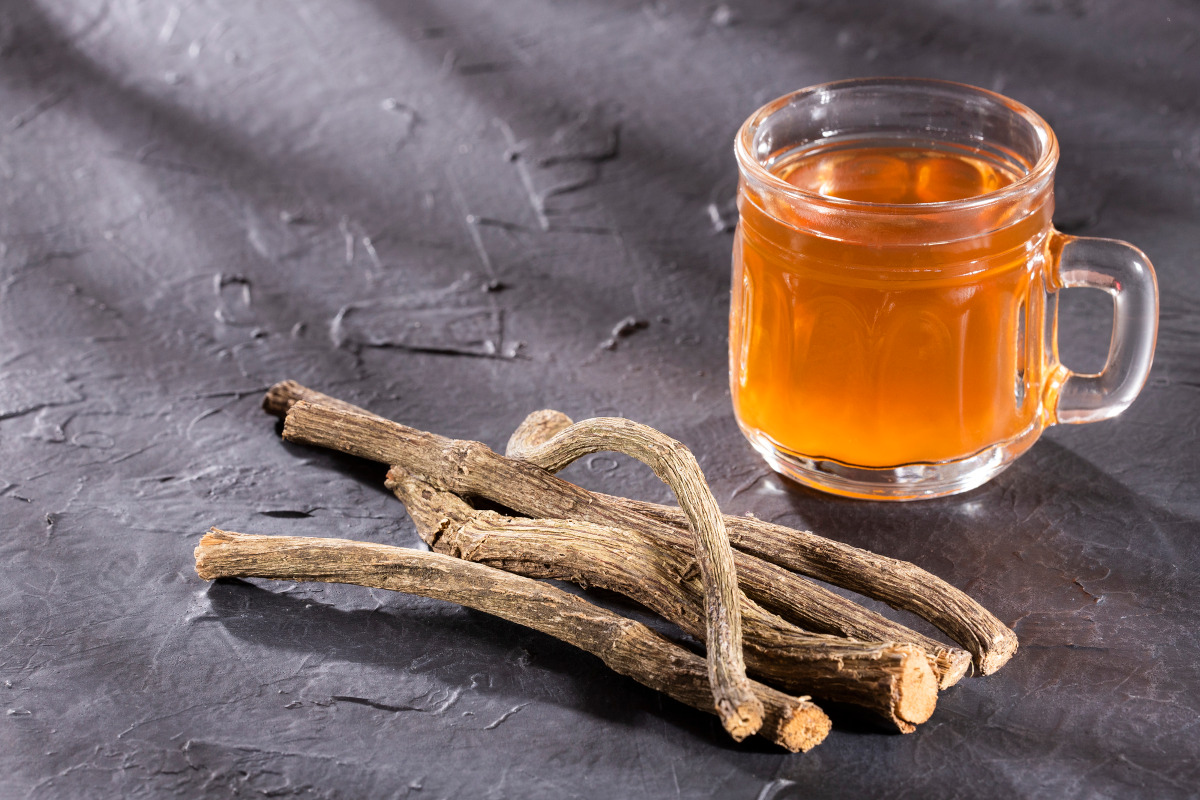
Valerian tea has gained significant traction in contemporary wellness and self-care rituals as individuals increasingly turn to natural remedies for stress relief and relaxation. Its calming properties make it a popular choice among those seeking to enhance their mental and emotional well-being. The resurgence of interest in herbal teas aligns with a broader trend toward holistic health, where people are looking for effective ways to manage stress and anxiety in their daily lives.
As the wellness industry evolves, Valerian tea is often marketed as a potent natural sedative, appealing to a demographic that values organic and herbal solutions. Many brands focus on its ability to promote better sleep and relaxation, often highlighting its historical use in traditional medicine alongside modern scientific studies that support its efficacy. The packaging of Valerian tea typically emphasizes both convenience and a return to nature, often featuring calming color palettes and imagery of serene landscapes. This aesthetic not only signifies tranquility but also reinforces the message of wellness and self-care that resonates with consumers today.
Role of Valerian tea in stress management techniques
In the realm of stress management, Valerian tea plays a crucial role due to its natural calming effects. Many people incorporate Valerian tea into their evening routines as a pre-sleep ritual, allowing them to unwind after a hectic day. Emphasizing the importance of a consistent routine, drinking this tea can signal to the body that it is time to relax and prepare for rest. This aligns well with mindfulness practices, where intentional actions are taken to promote relaxation and decrease stress levels.
Valerian tea is often used alongside other stress-relief techniques. For example, pairing it with deep breathing exercises can enhance its calming effects. The warmth of the tea combined with focused breathing creates a soothing atmosphere that can help alleviate tension. In addition, many individuals find that integrating Valerian tea into their meditation sessions enhances their ability to focus and achieve a deeper state of relaxation.
“Valerian tea is not just a beverage; it’s a ritual that embodies the essence of relaxation and stress relief.”
The wellness industry frequently markets Valerian tea as a safe and effective alternative to prescription sleep aids, appealing to those wary of pharmaceutical side effects. Studies suggest that Valerian root can reduce the time it takes to fall asleep and improve the quality of sleep, making it particularly attractive to those struggling with insomnia. Moreover, the trend towards eco-friendly and sustainable products has positioned herbal teas favorably, and Valerian is often sourced from organic farms, appealing to health-conscious consumers.
As more people prioritize mental health, Valerian tea continues to find its niche in stress management, offering a natural, holistic approach to calming the mind and body amid the chaos of modern life. It serves as a gentle reminder that sometimes the simplest solutions—like a warm cup of herbal tea—can have profound effects on our overall well-being.
Preparing Valerian tea for specific situations or needs
Valerian tea is a versatile herbal remedy, often utilized to address various health concerns such as insomnia, anxiety, and stress. The preparation of this soothing brew can be tailored to meet specific needs, enhancing its effectiveness and personal enjoyment. Understanding how to create specific variations not only allows for a more targeted approach to wellness but can also elevate the overall tea-drinking experience.
When preparing Valerian tea, it’s essential to consider the desired outcome, as different recipes may yield varying benefits. Below are tailored recipes designed for common issues, along with tips for adjusting dosages to suit individual requirements.
Recipes for Specific Issues
The following recipes highlight how to customize Valerian tea for specific concerns:
- Valerian Tea for Insomnia:
Combine 1 teaspoon of dried Valerian root with 1 cup of boiling water. Steep for 10-15 minutes. To enhance its sleep-inducing properties, add 1 teaspoon of chamomile and a touch of honey for sweetness. This blend not only promotes relaxation but also provides a pleasant flavor. - Valerian Tea for Anxiety:
Mix 1 teaspoon of Valerian root with 1 teaspoon of passionflower. Steep in boiling water for 10 minutes. The combination of these two calming herbs can help reduce feelings of anxiety and promote a sense of peace. - Valerian Tea for Stress Relief:
Combine Valerian root (1 teaspoon), lemon balm (1 teaspoon), and ginger (a small piece). Steep all ingredients in boiling water for 10 minutes. The ginger adds a warming effect, which can enhance the tea’s comforting qualities.
Adjusting the dosage of Valerian can be beneficial based on individual tolerance and needs. Start with a smaller amount, such as ½ teaspoon, and gradually increase as needed. Monitoring personal reactions will help in determining the right balance.
Personal experiences can significantly inform the preparation of Valerian tea. For example, someone who has consistently struggled with insomnia may experiment with different steeping times or additional herbs to find what works best for them. Documenting these experiences can help in creating a personalized approach, enhancing both the tea’s effectiveness and the overall experience. Moreover, sharing insights with others can provide valuable tips and ideas, fostering a community of wellness-focused individuals who can learn from each other’s journeys.
The environmental impact of Valerian cultivation and tea production
Valerian tea, derived from the roots of the Valeriana officinalis plant, is cherished for its calming properties. However, like all agricultural practices, its cultivation and production have environmental implications that warrant discussion. Understanding the sustainability of Valerian farming not only helps consumers make informed choices but also promotes eco-friendly practices within the tea industry.
Sustainability of Valerian Farming
The sustainability of Valerian cultivation is largely determined by the methods employed in its farming. Traditional farming practices often involve the use of synthetic fertilizers and pesticides, which can lead to soil degradation, water contamination, and loss of biodiversity. In contrast, sustainable practices focus on organic farming techniques that prioritize soil health and ecological balance.
Valerian is typically cultivated in well-drained, fertile soils rich in organic matter, which can be maintained through crop rotation and cover cropping. This not only helps reduce the need for chemical interventions but also promotes a healthy ecosystem for the plant and surrounding flora and fauna. As Valerian is often grown alongside companion plants, this practice minimizes the likelihood of pest infestations and enhances biodiversity.
When comparing Valerian with other herbal teas, such as chamomile or peppermint, the environmental concerns can differ significantly. For instance, peppermint cultivation often requires extensive irrigation in drier climates, increasing water usage and impacting local water supplies. On the other hand, Valerian’s adaptability allows it to thrive in a variety of conditions, which can be a crucial factor in reducing its ecological footprint.
Supporting Sustainable Practices in Tea Consumption
Consumers play a vital role in promoting sustainability within the tea market. By choosing Valerian tea produced through eco-friendly methods, they can actively support the preservation of the environment. Below are some actionable steps consumers can take:
- Opt for certified organic products: Look for labels indicating organic certification, which guarantees that no synthetic fertilizers or pesticides were used in the cultivation process.
- Research brands: Investigate companies that prioritize sustainable farming practices and environmental stewardship. Support brands that are transparent about their sourcing and production methods.
- Choose local and seasonal options: Whenever possible, select locally produced Valerian tea. This reduces the carbon footprint associated with transportation and supports local economies.
- Reduce waste: Opt for biodegradable packaging or bulk purchase options to minimize plastic waste.
- Advocate for sustainability: Engage in conversations about the environmental impact of tea production and encourage friends and family to make conscious choices.
By embracing these practices, consumers can significantly contribute to a more sustainable and environmentally friendly tea industry, fostering a positive impact on the planet.
Wrap-Up
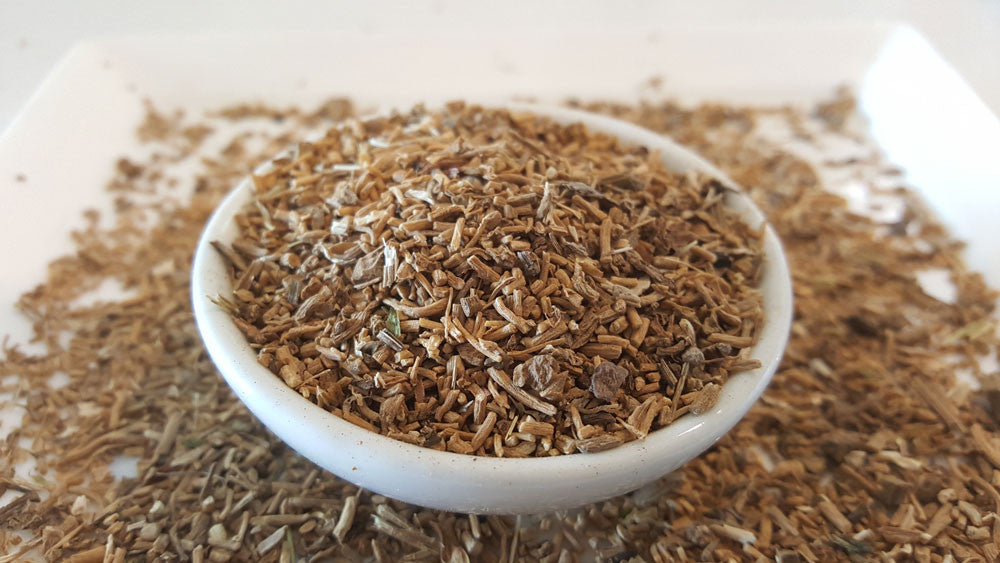
In conclusion, Valerian tea stands out not only for its historical significance but also for its potential health benefits, making it an appealing option for relaxation and stress relief. As we’ve seen, it holds a unique place among herbal teas, offering distinct properties that cater to various needs. By incorporating Valerian tea into our routines, we can embrace its calming essence while also supporting sustainable practices in tea consumption. So, why not brew yourself a cup and experience the tranquility that Valerian tea has to offer?
FAQ Insights
What flavor profile does Valerian tea have?
Valerian tea has a distinct earthy flavor, often described as slightly sweet with a hint of bitterness.
Can I drink Valerian tea every day?
While many people enjoy Valerian tea daily, it’s best to consult with a healthcare professional to determine what works for you.
Is Valerian tea safe for children?
Valerian tea is generally not recommended for young children without medical advice, as their sensitivity can vary.
How long does it take for Valerian tea to work?
Effects can vary, but many people report feeling calmer within 30 minutes to an hour after drinking Valerian tea.
Can I combine Valerian tea with other herbal teas?
Yes, Valerian tea can be blended with other herbal teas like chamomile or lavender for added benefits and flavor.