
 Caroline Sarah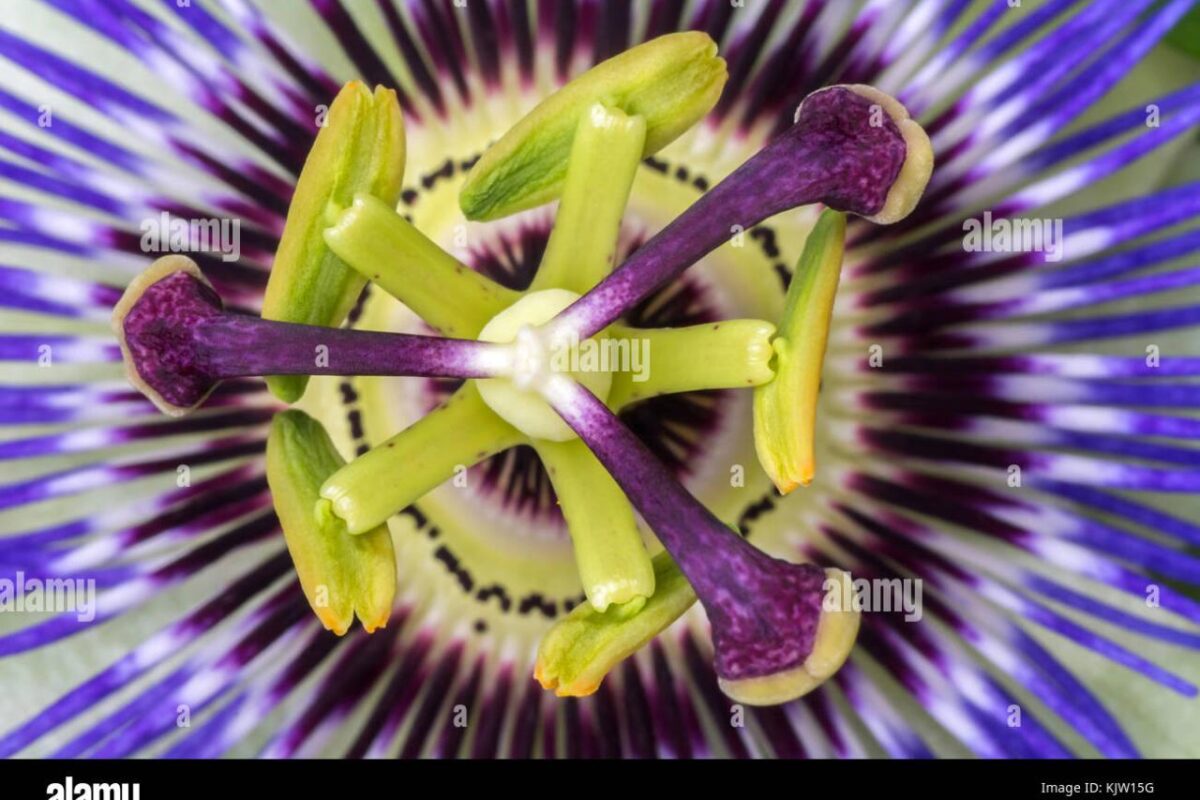
Passionflower sets the stage for this enthralling narrative, offering readers a glimpse into a story that is rich in detail and brimming with originality from the outset. This fascinating plant not only captivates with its unique appearance and vibrant blooms but also holds a treasure trove of uses across various domains, from herbal medicine to culinary delights.
As we explore the distinctive features of Passionflower, its different species, and the cultural significance it bears, we will uncover how this remarkable botanical wonder has been cherished and utilized throughout history. From traditional remedies to modern scientific research, Passionflower showcases its versatility and enduring appeal in a myriad of ways.
Passionflower as a Botanical Wonder
Passionflower, known scientifically as Passiflora, is an extraordinary genus of flowering plants that boasts over 500 species. These unique plants are characterized by their strikingly intricate flowers, often featuring a central corona of filaments that resembles a crown, surrounded by five petals and a unique arrangement of colorful sepals. The foliage of passionflower plants is equally impressive, with lobed leaves that can be quite large and vigorous climbing habits that allow them to thrive in various environments. Their adaptability and aesthetic appeal have made them popular in gardens and landscapes worldwide.
The geographical distribution of passionflower spans from North America to South America, with a concentration in tropical and subtropical regions. Various species have adapted to specific environments, showcasing remarkable diversity. For example, Passiflora edulis, commonly known as the purple passionfruit, thrives in warmer climates and is cultivated extensively for its edible fruit. In contrast, Passiflora incarnata, or the maypop, is native to eastern North America and is valued for its ornamental flowers and medicinal properties. This diversity in habitat and form contributes to the widespread interest in passionflower among botanists and horticulturists.
Passionflower has a rich history in traditional medicine across different cultures. In indigenous communities of South America, it has long been utilized for its calming properties and is often brewed as a tea to relieve anxiety and promote sleep. In North America, Passiflora incarnata has been used by Native American tribes for its sedative and anti-anxiety effects. Similarly, in Europe, passionflower extracts have found a place in herbal remedies targeting insomnia and nervous disorders. Its efficacy as a natural remedy has also been recognized by modern herbalists, who incorporate it into various formulations for anxiety and stress relief.
In summary, the passionflower is not only a botanical wonder due to its striking appearance and adaptability but also holds an essential place in traditional medicine practices across the globe, reflecting its versatility and importance in both horticulture and health.
The Role of Passionflower in Herbal Remedies
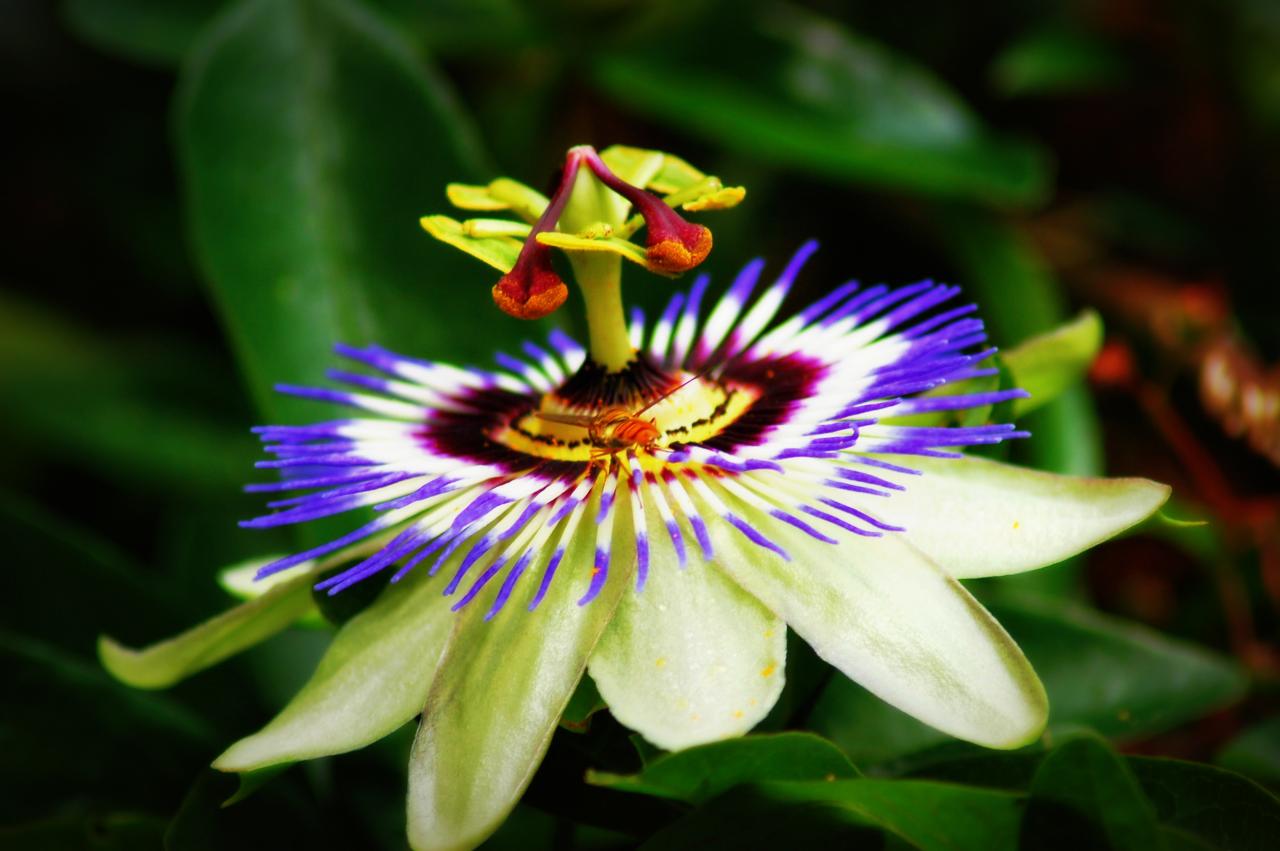
Passionflower, scientifically known as Passiflora incarnata, has been used for centuries as a natural remedy for various health issues. Its calming properties have made it particularly popular in managing anxiety and sleep disorders. By exploring its medicinal benefits and various forms available, one can appreciate its significant role in herbal remedies.
The medicinal properties of Passionflower are largely attributed to its active compounds, such as flavonoids, maltol, and harman. These components are believed to interact with the brain’s neurotransmitters, promoting relaxation and reducing anxiety. Research has shown that Passionflower may enhance gamma-aminobutyric acid (GABA) levels in the brain, which helps to calm the nervous system. This can lead to improved sleep quality and a reduction in symptoms associated with anxiety disorders. In clinical studies, patients who consumed Passionflower experienced notable improvements in anxiety, with some even reporting better sleep patterns.
Forms of Passionflower Used in Remedies
When considering the use of Passionflower in herbal remedies, it’s important to recognize the various forms it can take, providing flexibility in how it can be consumed. Each form has its unique advantages, making it accessible to different preferences and lifestyles. The common forms of Passionflower include:
- Teas: Passionflower tea is made by steeping dried leaves and flowers in hot water. This gentle infusion is a popular choice for those seeking a soothing beverage that promotes relaxation.
- Extracts: Liquid extracts of Passionflower are more concentrated and can offer a stronger dose of its active compounds. These are typically taken in small amounts and are favored for their quick absorption into the bloodstream.
- Capsules: For those who prefer a convenient supplement, Passionflower capsules are available. They provide a measured dose of the herb and are easy to incorporate into daily routines.
Passionflower has proven itself as an effective herbal remedy, especially when compared to other natural options for anxiety and sleep disorders. While other herbs like valerian root and chamomile also have tranquilizing effects, Passionflower stands out due to its unique composition and effectiveness.
| Herb | Primary Use | Key Benefits |
|---|---|---|
| Passionflower | Anxiety, Sleep Disorders | Enhances GABA levels, reduces anxiety symptoms |
| Valerian Root | Sleep Quality | Promotes deeper sleep, lessens sleep onset time |
| Chamomile | Relaxation | Soothes digestive issues, mild sedative effect |
In summary, Passionflower’s unique properties and various forms make it a versatile and beneficial option in herbal remedies, particularly for those dealing with anxiety and sleep problems. The combination of its pleasant taste in teas and the convenience of extracts and capsules further enhances its appeal among individuals seeking natural alternatives for their health needs.
Cultivation and Growing Conditions for Passionflower
Passionflower, renowned for its stunning blooms and delectable fruit, thrives in specific growing conditions. To successfully cultivate this beautiful vine, understanding its needs is crucial for optimal growth and fruit production.
The ideal growing conditions for Passionflower include a warm climate, well-drained soil, and ample sunlight. Passionflower prefers temperatures ranging from 60°F to 85°F (15°C to 29°C) and can tolerate slight fluctuations but is sensitive to frost. A sunny location that receives at least six hours of direct sunlight each day is essential. Soil pH should be slightly acidic to neutral, around 6.0 to 7.0, ensuring proper nutrient absorption. Furthermore, the soil must be rich in organic matter to support vigorous growth, with good drainage to prevent root rot. Regular watering is important; however, overwatering should be avoided.
Common Pests and Diseases Affecting Passionflower
Passionflower plants can encounter various pests and diseases that may hinder their growth. Identifying these threats early allows for better management and ensures healthy plants.
Common pests include:
- Aphids: Small, soft-bodied insects that can sap plant vitality. Manage by spraying with insecticidal soap or releasing ladybugs.
- Spider Mites: These tiny pests thrive in dry conditions, causing stippling on leaves. Increase humidity around the plants or use miticides for control.
- Whiteflies: Another sap-sucking pest that can cause yellowing of leaves. Yellow sticky traps can help monitor and manage their population.
In terms of diseases, the most prevalent include:
- Root Rot: Caused by overwatering or poorly draining soils. Prevent by ensuring proper drainage and avoiding excess moisture.
- Powdery Mildew: Appears as white powdery spots on leaves, usually due to high humidity and poor air circulation. Improve airflow and apply fungicides if necessary.
- Fungal Blights: These can lead to wilting and decay. Regularly inspect plants and remove infected parts to minimize spread.
Steps for Planting Passionflower Seeds or Seedlings
Successfully planting Passionflower can be broken down into manageable steps to ensure robust growth and flowering.
1. Select the Right Variety: Choose a Passionflower species suited for your climate, such as Passiflora edulis for fruit production or Passiflora caerulea for ornamental purposes.
2. Prepare the Soil: Amend the soil with compost or well-rotted manure to enhance fertility. Ensure the soil is loose and well-draining.
3. Seed Preparation: If planting seeds, soak them in water for 24 hours to promote germination. This step helps to soften the seed coat.
4. Planting Seeds: Sow seeds about 1/4 inch deep in the prepared soil, spacing them around 12 inches apart. Water gently after planting.
5. Transplanting Seedlings: If starting seedlings indoors, wait until the danger of frost has passed and transplant them outdoors, spacing them at least 3 feet apart to allow for growth.
6. Watering and Care: Water the plants regularly, especially during the first few weeks. Fertilize monthly with a balanced fertilizer to encourage healthy growth.
7. Support Structure: As Passionflower is a climbing vine, provide a trellis or fencing for support as it grows. This will keep the plant upright and promote better air circulation.
8. Mulching: Apply a layer of mulch around the base of the plant to retain moisture and suppress weeds.
Following these steps will lead to a flourishing Passionflower plant that can enhance any garden with its beauty and benefits.
The Cultural Significance of Passionflower
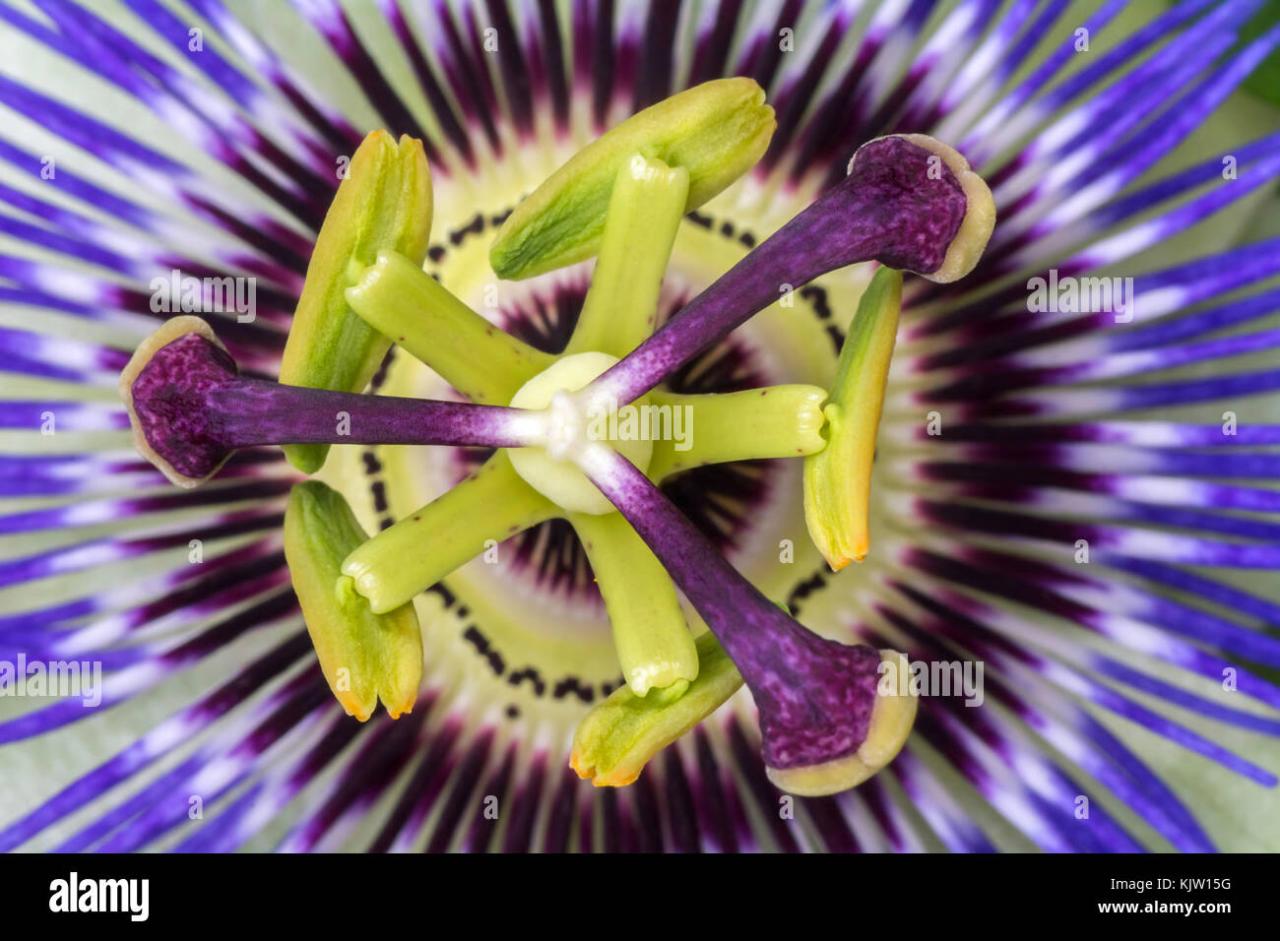
Passionflower, known for its intricate beauty and calming properties, holds a rich tapestry of cultural significance across various societies and religions. This vibrant plant, with its unique flower structure, has been a symbol of various themes such as spirituality, healing, and even creativity. It has captured the human imagination for centuries, often intertwining itself with religious narratives, artistic expressions, and traditional practices.
The symbolism of Passionflower extends deeply into the realms of Christianity, where it is often associated with the Passion of Christ. The flower’s ten petals and sepals are said to represent the ten apostles, excluding Judas and Peter, who are depicted as symbols of betrayal and denial. Additionally, the three stigmas represent the Holy Trinity, further solidifying the flower’s religious significance. Beyond Christianity, indigenous cultures in South America have revered Passionflower as a plant of healing and spirituality, commonly used in traditional medicine to soothe anxiety and promote restful sleep.
Artistic Representations of Passionflower
The artistic representations of Passionflower can be found in various forms, from literature to visual art and folklore. In literature, the flower is often depicted as a symbol of beauty and transience, embodying the delicate balance between life and death. Poets have used its imagery to convey complex emotions, linking it to themes of love, loss, and spirituality. For instance, in the works of 19th-century poets, Passionflower emerges as a metaphor for passionate love, illustrating the connection between nature and human emotion.
In the realm of visual art, the stunning beauty of the Passionflower has inspired numerous painters and artisans. Notable artists like Georgia O’Keeffe have incorporated the flower into their works, highlighting its intricate details and vibrant colors. The flower’s representation often conveys themes of nature’s complexity, inviting viewers to reflect on the interconnectedness of life. Folk art traditions in Latin American cultures also celebrate Passionflower, with vibrant textiles and pottery often featuring its motif, symbolizing harmony with nature and the importance of botanical elements in cultural identity.
Different cultures celebrate or utilize Passionflower in their traditions, particularly in culinary and medicinal practices. In some South American countries, the leaves and fruits of Passionflower are used in teas and herbal remedies to promote relaxation and alleviate stress. Festivals celebrating the plant often feature traditional dance, music, and storytelling, emphasizing its role as a cultural cornerstone. In the United States, the flower is commonly used in landscaping and gardens, appreciated not only for its aesthetic appeal but also for attracting pollinators, thus playing a crucial part in the ecosystem. The diverse uses and representations of Passionflower reflect its profound impact on various cultural landscapes, celebrating its beauty and significance in a multitude of ways.
Culinary Uses of Passionflower
Passionflower, often celebrated for its striking appearance and calming properties, also brings a unique flavor profile that enhances various culinary dishes and beverages. With its sweet and slightly tart notes, passionflower is becoming increasingly popular in the culinary world. Its delicate, floral aroma and mild taste make it a versatile ingredient across a range of cuisines.
Incorporating passionflower into culinary creations can elevate both the flavor and presentation of a dish. The edible flowers and leaves can be used fresh or dried, lending a gentle floral essence to salads, desserts, and drinks. Around the globe, various cultures have embraced the use of passionflower, showcasing its adaptability in different culinary applications.
Passionflower in Beverages
Passionflower is frequently used in beverages, providing a refreshing twist that can complement both alcoholic and non-alcoholic drinks. Its natural sweetness makes it ideal for infusions, teas, and cocktails. Here are a few ways to incorporate passionflower into beverages:
– Passionflower Tea: Dried passionflower leaves can be steeped to create a soothing herbal tea. The infusion offers a mild floral flavor and a calming effect, making it a popular choice for relaxation. Simply boil water, add a teaspoon of dried leaves, and steep for 5-10 minutes before straining.
– Passionflower Lemonade: Mixing fresh passionflower juice with lemonade creates a vibrant and refreshing summer drink. Combine freshly squeezed lemon juice, sugar, and water with passionflower juice for a delightful twist on a classic beverage.
– Passionflower Mojito: For a fun cocktail, muddle fresh mint leaves, lime juice, and sugar, then add passionflower juice and club soda for a colorful mojito. This drink showcases the floral notes perfectly and is great for gatherings.
Passionflower in Desserts and Savory Dishes
Passionflower can also be used in a variety of sweet and savory dishes, enhancing flavors while adding visual appeal. Its edible flowers can be used as decoration or as an ingredient in various recipes. Here are some notable uses:
– Passionflower Pudding: A light and airy pudding can be made by infusing whipped cream with passionflower essence, then folding in a rich custard. The dessert is not only delicious but also artfully garnished with whole passionflower blooms.
– Salad Garnish: The flowers can be sprinkled on salads to add a pop of color and a subtle floral flavor. For example, a mixed green salad with feta cheese, nuts, and a light vinaigrette becomes visually striking with the addition of passionflower petals.
– Passionfruit and Passionflower Tart: This dessert combines the tartness of passionfruit with the delicate flavor of passionflower, creating a harmonious balance. The tart crust is filled with passionfruit curd and garnished with fresh passionflower petals for an exquisite finish.
In summary, passionflower offers a delightful way to enhance culinary creations, whether in drinks, desserts, or savory dishes. Its versatility and unique flavor profile make it an exciting ingredient to explore in the kitchen.
The Impact of Passionflower on Modern Science
Recent scientific studies have been shedding light on the multifaceted effects of Passionflower (Passiflora incarnata), illustrating its potential benefits in various fields, particularly in mental health and pharmacology. Researchers have been exploring its anxiolytic (anxiety-reducing) properties, which have garnered attention due to the growing need for natural alternatives to traditional anxiolytics. For instance, a randomized controlled trial published in the Journal of Clinical Pharmacy and Therapeutics observed that participants taking Passionflower extract reported a significant reduction in anxiety levels compared to those on a placebo. This supports the traditional use of Passionflower in herbal medicine.
Among the key findings in recent research is the identification of several bioactive compounds in Passionflower, such as flavonoids, alkaloids, and glycosides. These compounds are believed to interact with the central nervous system, providing a calming effect. A study in Phytotherapy Research highlighted that the presence of apigenin, a flavonoid, contributes to the sedative properties of Passionflower, binding to GABA receptors in the brain, which are crucial for regulating anxiety and mood.
Potential Applications in Pharmaceuticals and Nutraceuticals
The promising results from clinical studies point towards various future applications of Passionflower in pharmaceuticals and nutraceuticals. The natural composition of Passionflower makes it an attractive candidate for developing over-the-counter anxiety relief supplements.
– Anxiety Management: Passionflower extract could be formulated into herbal supplements aimed at alleviating mild to moderate anxiety without the side effects often associated with synthetic medications.
– Sleep Aids: With its sedative properties, Passionflower may be incorporated into sleep aids, enhancing sleep quality for those suffering from insomnia or sleep disturbances.
– Anti-inflammatory Remedies: Given its antioxidant and anti-inflammatory properties, Passionflower could play a role in developing nutraceuticals aimed at reducing inflammation-related diseases.
Research into the bioactive compounds found in Passionflower is advancing rapidly. Scientists are employing modern analytical techniques like liquid chromatography and mass spectrometry to isolate and characterize these compounds.
– Flavonoids: Studies are indicating that flavonoids in Passionflower may exhibit neuroprotective effects, suggesting a role in preventing neurodegenerative disorders.
– Alkaloids: The pharmacological effects of alkaloids present in the plant are being investigated for their potential in pain management and as anti-cancer agents.
Overall, the exploration of Passionflower’s bioactive compounds is leading to a deeper understanding of its therapeutic potential and opening up new avenues in both scientific research and practical applications in health and wellness.
Final Conclusion
In conclusion, Passionflower exemplifies the intersection of nature’s beauty and utility, having established itself as a staple in herbal medicine, cuisine, and culture worldwide. As we’ve seen, its therapeutic properties, culinary versatility, and rich symbolism make it a subject worthy of further exploration and appreciation. Whether through sipping a soothing tea or admiring its artistic representations, Passionflower invites us to delve deeper into its enchanting world.
Top FAQs
What are the health benefits of Passionflower?
Passionflower is known for its potential to reduce anxiety, improve sleep quality, and alleviate symptoms of stress.
Can Passionflower be consumed daily?
Yes, many people consume Passionflower in various forms daily, but it’s advisable to consult a healthcare provider for personalized recommendations.
Is Passionflower safe during pregnancy?
It is generally recommended that pregnant women avoid Passionflower, as its effects during pregnancy are not fully understood.
What part of the Passionflower plant is used for medicinal purposes?
The leaves, flowers, and stems of the Passionflower plant are commonly used for their therapeutic properties.
How long does it take for Passionflower to grow?
Passionflower can take anywhere from 60 to 90 days to grow from seed to flowering plant, depending on the conditions.