
 Caroline Sarah
Herbal remedies have long been a cornerstone of healing practices across cultures, tapping into nature’s gifts to promote wellness. From ancient civilizations that revered plants as sacred to modern times where their benefits are being rediscovered, these remedies offer fascinating insights into human health and culture. With a blend of tradition and science, herbal remedies encapsulate a unique approach to health that invites both curiosity and respect.
In this exploration, we delve into the historical significance of herbal remedies, their applications in daily wellness, and the scientific foundation that supports their use. We’ll also navigate considerations for safe usage and the evolving role these natural solutions play in contemporary medicine, emphasizing their relevance in sustaining both personal health and the environment.
The Historical Significance of Herbal Remedies in Different Cultures
Throughout history, herbal remedies have played a crucial role in the healing practices of various cultures. From ancient civilizations to modern-day societies, the use of plants for medicinal purposes reflects a profound understanding of nature and its healing properties. These remedies not only provided physical healing but also held significant cultural and spiritual importance, embodying the beliefs and traditions of the people who used them.
In ancient civilizations such as Egypt, Greece, and China, herbal remedies formed the backbone of medical practices. The Egyptians utilized herbs like garlic and myrrh in their medical texts, showcasing their importance in treating ailments. Similarly, Greek physicians, such as Hippocrates, emphasized the use of various plants in healing practices, laying the groundwork for medical science. In China, traditional Chinese medicine has relied on herbs for thousands of years, emphasizing their balance in promoting overall health and well-being.
The Role of Herbal Remedies in Cultural Rituals and Spiritual Beliefs
Herbal remedies have often been intertwined with cultural rituals and spiritual beliefs across different regions. In many indigenous cultures, specific plants are considered sacred and are used in ceremonies and rituals aimed at healing not just the body but also the spirit. For example, the Native American tradition often involves the use of sage and sweetgrass in purification ceremonies, emphasizing the connection between the physical and spiritual realms.
The following points illustrate how herbal remedies were integrated into the rituals and beliefs of various cultures:
- Egyptian Practices: Herbs were often used in embalming rituals, reflecting their believed ability to preserve the body for the afterlife.
- Chinese Medicine: Certain herbs are associated with specific elements, influencing a person’s health and spiritual state.
- Indigenous Beliefs: Many tribes use plants like tobacco and peyote in spiritual ceremonies to connect with ancestors and seek guidance.
The historical development of these herbal practices has influenced modern approaches to health and wellness. Today, many people turn to herbal medicine not only for its efficacy but also for its cultural significance. Herbal remedies have become a bridge connecting us to our ancestors and their wisdom, offering a holistic approach that is increasingly valued in our fast-paced, modern lives.
“The use of herbal remedies is a testament to humanity’s enduring relationship with nature and the knowledge passed down through generations.”
Commonly Used Herbal Remedies and Their Applications
Herbal remedies have been utilized across cultures for centuries, offering natural alternatives to synthetic medications. By tapping into the healing properties of plants, these remedies can support health and wellness in various ways. This discussion focuses on several popular herbal remedies, detailing their applications and preparation methods, as well as the evidence supporting their efficacy.
Popular Herbal Remedies and Their Uses
Many herbal remedies are widely used for their health benefits. Below is a list of some of the most commonly utilized herbs, along with their specific applications in health and wellness:
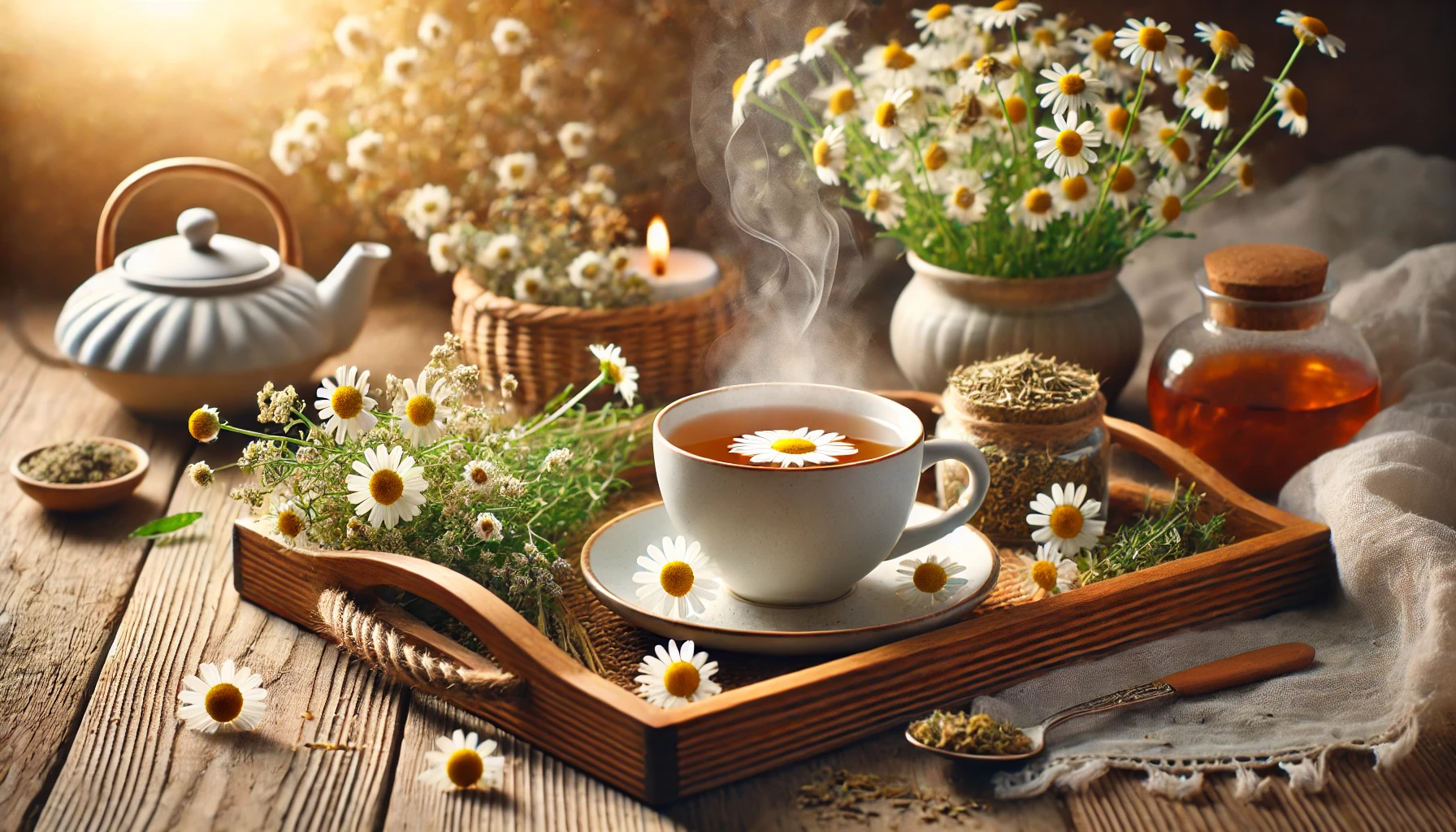
- Chamomile: Often consumed as a tea, chamomile is renowned for its calming effects, making it ideal for promoting sleep and alleviating anxiety.
- Ginger: This root can be consumed in various forms, such as tea or tincture. It is known for its ability to relieve nausea and improve digestive health.
- Echinacea: Commonly used to boost the immune system, echinacea is typically taken as a tincture or capsule to help prevent and treat colds and flu.
- Peppermint: Peppermint tea or oil is often used to soothe digestive issues and relieve headaches due to its cooling and soothing properties.
- Turmeric: Known for its anti-inflammatory properties, turmeric can be taken in capsules or used in cooking to support joint health and overall wellness.
Preparation Methods for Herbal Remedies
Understanding how to prepare herbal remedies is essential for maximizing their benefits. Here are common preparation methods for some of the herbal remedies listed above:
- Teas: Herbal teas are made by steeping dried herbs in hot water. For example, chamomile tea is prepared by infusing dried chamomile flowers in boiling water for 5-10 minutes, then straining the liquid before consumption.
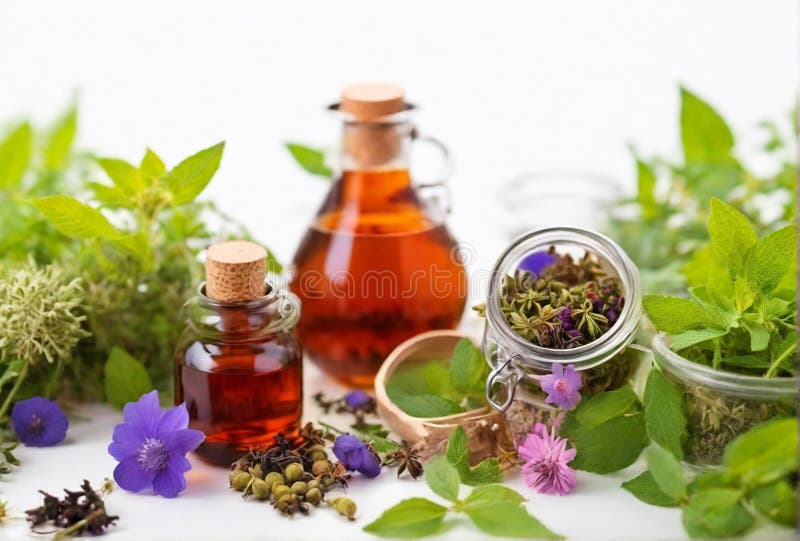
- Tinctures: Tinctures are concentrated liquid extracts made by soaking herbs in alcohol or vinegar. To create a ginger tincture, finely chop fresh ginger, cover it with vodka in a glass jar, and let it steep for 4-6 weeks, shaking it occasionally. Strain the mixture, and store the liquid in a dark bottle.
- Poultices: Poultices involve applying crushed herbs directly to the skin. For a soothing peppermint poultice, mash fresh peppermint leaves and mix them with a small amount of water to create a paste. Apply this to sore muscles or headaches for relief.
Efficacy of Herbal Remedies
Several studies and anecdotal evidence support the use of herbal remedies in treating common ailments. Research indicates that chamomile tea can significantly improve sleep quality, helping individuals fall asleep more quickly and stay asleep longer. Similarly, ginger has been found effective in reducing nausea, particularly in pregnant women and those undergoing chemotherapy.
In a study published in the Journal of Immunology, echinacea was shown to reduce the severity and duration of colds, highlighting its potential as an immune booster. The anti-inflammatory properties of turmeric, attributed to its active compound curcumin, have been recognized in various studies for their role in managing chronic pain and inflammation.
Herbal remedies provide a natural alternative to traditional medications, often with fewer side effects.
The Science Behind Herbal Remedies and Their Active Ingredients
Herbal remedies have been utilized for centuries across various cultures, often celebrated for their therapeutic properties. The effectiveness of these remedies is largely attributed to their active compounds, which interact with bodily systems in complex ways. Understanding the science behind these compounds is essential for harnessing their full potential in promoting health and well-being.
The study of phytochemistry plays a vital role in uncovering how herbal compounds work within the body. These compounds, often categorized as alkaloids, flavonoids, terpenoids, and glycosides, contribute to the unique benefits of each herb. By exploring their biochemical properties, researchers can identify mechanisms of action, therapeutic effects, and potential side effects.
Key Active Compounds and Their Health Benefits
Several popular herbs are known for their beneficial active compounds, each offering distinct health benefits. Here’s a closer look at some key examples:
- Curcumin in Turmeric: Curcumin, the active ingredient in turmeric, is recognized for its anti-inflammatory and antioxidant properties. It has been shown to support joint health and may reduce the risk of chronic diseases.
- Allicin in Garlic: Allicin is the compound responsible for garlic’s distinctive aroma and numerous health benefits. It is known for its antibacterial, antiviral, and antifungal properties, which can help in boosting the immune system and improving heart health.
- Resveratrol in Red Grapes: Resveratrol is a potent antioxidant found in the skin of red grapes. It has been associated with cardiovascular benefits and may help protect against age-related diseases.
- Flavonoids in Green Tea: Green tea is rich in flavonoids, particularly epigallocatechin gallate (EGCG). These compounds are known for their anti-inflammatory effects and potential role in weight management and cancer prevention.
- Ginsenosides in Ginseng: Ginsenosides are the active compounds in ginseng, believed to enhance energy, improve cognitive function, and reduce stress through their adaptogenic properties.
Scientific studies serve to validate the therapeutic properties of these herbal remedies. Research often highlights the biochemical interactions of active compounds with human physiology, shedding light on their efficacy.
“The potential therapeutic effects of herbal remedies are often rooted in the phytochemical properties of their active ingredients, which interact synergistically with the human body.”
For example, a study published in the “Journal of Medicinal Food” demonstrated that curcumin can significantly reduce symptoms of arthritis due to its anti-inflammatory effects. Another study in “Nutrition Research” highlighted the cardiovascular benefits of allicin, showing improved blood pressure regulation in participants consuming garlic supplements.
Understanding the science behind herbal remedies and their active ingredients not only reinforces their traditional use but also opens avenues for further research and application in modern medicine.
Safety and Considerations When Using Herbal Remedies
When exploring the world of herbal remedies, it’s crucial to be aware of the potential risks and interactions that may arise when combining these natural treatments with conventional medications. Understanding these factors ensures a safer experience and maximizes the benefits of herbal products.
Herbal remedies, while often perceived as safe and natural, can possess side effects and interact with pharmaceuticals. Certain herbs can amplify or diminish the efficacy of medications, leading to unintended consequences. For instance, St. John’s Wort is known to interfere with antidepressants, birth control pills, and several other medications by affecting liver enzyme activity, which alters drug metabolism. Similarly, ginkgo biloba may increase bleeding risk, particularly when taken alongside blood-thinning medications. It’s essential to recognize that herbal does not always mean harmless; vigilance is key.
Consultation with Healthcare Professionals
Before embarking on any herbal regimen, consulting a healthcare professional is vital. This step ensures that any existing medical conditions are considered, and potential herbal interactions are evaluated. Healthcare providers can offer insights based on an individual’s health history and medication regimen, providing a personalized approach to herbal use.
The significance of professional guidance cannot be overstated. Here are a few reasons why consulting a healthcare professional is essential:
- Assessment of health conditions: Certain herbs may exacerbate existing health issues.
- Medication interactions: Understanding how herbs interact with current medications can prevent adverse effects.
- Dosage recommendations: Healthcare professionals can provide guidance on safe dosages for specific herbs.
- Monitoring side effects: Regular check-ins can help in identifying any adverse reactions promptly.
Guidelines for Safe Sourcing and Quality Control of Herbal Products
Ensuring the quality and safety of herbal products is paramount for consumer protection. Poorly sourced or contaminated herbs can pose significant health risks. When selecting herbal remedies, it is important to follow certain guidelines:
Begin by choosing products from reputable manufacturers that adhere to good manufacturing practices (GMP). Research brands for transparency regarding sourcing and quality testing.
Consider the following points when sourcing herbal remedies:
- Certification: Look for certifications from recognized organizations that validate product safety and efficacy.
- Ingredient integrity: Examine labels for full disclosure of ingredients, avoiding products with vague descriptions or proprietary blends.
- Third-party testing: Seek products that have been tested by independent laboratories for quality assurance.
- Origin: Prefer herbs that are sourced from regions known for their high-quality botanical products.
“Quality control is essential in herbal medicine, as contaminants or adulterants can compromise health.”
By following these safety guidelines and seeking professional advice, individuals can navigate the world of herbal remedies with confidence, enhancing their wellness journey effectively and safely.
Herbal Remedies in Modern Medicine
The integration of herbal remedies into modern medicine offers a unique opportunity for enhancing patient care through a complementary approach. While conventional medicine has long relied on pharmacological treatments, incorporating herbal remedies acknowledges the holistic nature of health and wellbeing. This collaboration between traditional and modern practices fosters a more comprehensive treatment strategy, addressing not only physical ailments but also emotional and psychological well-being.
Healthcare practitioners can play a pivotal role in incorporating herbal remedies into treatment plans. By understanding the therapeutic properties of various herbs, practitioners can tailor recommendations to individual patient needs, thereby enhancing the efficacy of conventional treatments. This approach requires careful consideration of both the potential benefits and risks associated with herbal use, as well as ongoing research to support evidence-based practices.
Benefits of Integrating Herbal Remedies and Conventional Medicine
The combination of herbal remedies and conventional medicine can lead to improved patient outcomes. Several benefits arise from this integration:
- Enhanced Efficacy: Herbal remedies can complement conventional treatments, potentially increasing their effectiveness. For example, St. John’s Wort has been shown to help alleviate mild to moderate depression when used alongside standard antidepressants.
- Fewer Side Effects: Herbal remedies often have fewer side effects compared to synthetic drugs. For instance, ginger is frequently used to manage nausea and can serve as an alternative to pharmaceutical anti-nausea medications.
- Holistic Treatment: This integrative approach considers the whole person, addressing both physical and emotional health. Herbal remedies like chamomile can promote relaxation and improve sleep quality, which is essential for overall health.
- Patient Preference: Many patients prefer natural treatments. Acknowledging this preference can enhance patient satisfaction and adherence to treatment plans.
- Cost-Effectiveness: Incorporating herbal remedies can reduce healthcare costs, especially in managing chronic conditions, as many herbs are more affordable than prescription medications.
The growing acceptance of herbal remedies within the medical community is evident as more healthcare professionals recognize their potential. Evidence from clinical studies continues to support the safety and efficacy of many herbal treatments, prompting practitioners to embrace a more inclusive approach to patient care. As a result, herbal remedies are increasingly being integrated into treatment plans, enhancing the overall quality of care and fostering a more patient-centered approach.
“Integrating herbal remedies into modern medicine creates a pathway to holistic health care that respects both tradition and innovation.”
Sustainability and Ethical Considerations in Herbal Medicine
The growing popularity of herbal remedies brings with it a responsibility to ensure that these valuable resources are used sustainably and ethically. As consumers become more aware of the origins of their products, it is crucial to address the environmental and ethical implications of herbal medicine. This involves considering the sustainability of plant sourcing, the condition of wild populations, and the ethical practices surrounding their trade.
The overharvesting of wild plants has a significant impact on ecosystems, leading to declines in biodiversity and threatening the survival of certain species. Unsustainable harvesting practices can result in the extinction of plants that have been used for generations in traditional medicine. To combat this, sustainable practices must be implemented, which include regulated harvesting, cultivating plants in controlled environments, and promoting the use of domestically grown herbs. These practices not only protect wild populations but also ensure that herbal medicine remains available for future generations.
Impact of Overharvesting on Plant Populations
Overharvesting can lead to drastic reductions in plant populations, adversely affecting their ecosystems. The following points highlight the significance of implementing sustainable harvesting practices:
- Loss of Biodiversity: Continuous overharvesting of specific herbs can lead to a decrease in genetic diversity, making ecosystems more vulnerable to diseases and environmental changes.
- Species Extinction: Some plants, particularly those with limited growing areas or specific habitat requirements, face extinction due to unsustainable collection methods.
- Habitat Destruction: Excessive harvesting can damage the plant’s natural habitat, disrupting the complex relationships between species within an ecosystem.
- Economic Impacts: Unsustainable practices can lead to the depletion of resources, resulting in economic hardships for communities reliant on these plants.
Ethical Sourcing and Fair Trade in Herbal Remedies
Ethical sourcing plays a crucial role in the herbal remedies market, ensuring that producers are compensated fairly and that the communities involved benefit from their labor. Fair trade practices help to establish transparent supply chains and promote economic stability among harvesters. The importance of ethical sourcing includes:
- Fair Compensation: Fair trade guarantees that producers receive a fair price for their herbs, improving their livelihoods and supporting local economies.
- Empowerment of Communities: Ethical sourcing fosters community development by supporting educational initiatives and healthcare access for those involved in harvesting.
- Environmental Standards: Fair trade certifications often require adherence to sustainable farming methods, promoting ecological balance and reducing negative environmental impacts.
Initiatives Promoting Biodiversity and Conservation
Numerous initiatives are in place to promote biodiversity and conservation within the herbal industry, ensuring the survival of both plants and the knowledge surrounding their use. These initiatives include:
- Conservation Programs: Organizations are working to protect endangered plant species through in-situ and ex-situ conservation efforts, maintaining genetic diversity.
- Community-Based Approaches: Local communities are often engaged in conservation efforts, utilizing traditional knowledge to sustainably manage wild plant populations.
- Certification Systems: Various certification programs focus on sustainable harvesting practices and the ethical sourcing of herbal products, providing consumers with more informed choices.
- Research and Education: Initiatives that promote research into sustainable practices and educate consumers about the importance of biodiversity in herbal medicine are gaining traction.
The Future of Herbal Remedies in Health and Wellness
The landscape of health and wellness is continuously evolving, with herbal remedies increasingly gaining traction as a vital component in holistic care. As consumers become more health-conscious and seek natural alternatives to pharmaceuticals, the future of herbal remedies appears promising. This growth is not merely a trend but a transformative movement influenced by innovation, technology, and scientific validation.
Emerging Trends in the Herbal Remedies Market
The herbal remedies market is witnessing several emerging trends that indicate a shift towards greater acceptance and utilization. These trends include:
- Growth of Personalized Herbal Products: Customized herbal formulations based on individual health profiles are becoming popular. Companies leverage genetic testing and lifestyle assessments to create tailored remedies that resonate with consumers’ specific needs.
- Integration with Holistic Approaches: More practitioners are combining herbal remedies with other alternative therapies, such as acupuncture and mindfulness practices, to enhance wellness outcomes, making holistic health more accessible and appealing.
- Focus on Sustainability: Consumers are increasingly prioritizing sustainable and ethically sourced herbal products. Companies are innovating by adopting eco-friendly practices in cultivation and packaging, appealing to environmentally conscious buyers.
- Expansion of Online Marketplaces: The rise of e-commerce has facilitated easier access to herbal remedies, with many online platforms offering a wide variety of products, enhancing consumer choice and availability.
Role of Technology in Enhancing Herbal Medicine
Technology plays a crucial role in advancing herbal medicine by improving both efficacy and accessibility. The integration of technology in this sector can be summarized as follows:
- Digital Health Platforms: Mobile applications and telemedicine services enable users to consult with herbalists and naturopathic doctors from the comfort of their homes, making expert advice more accessible than ever.
- Research and Development: Advanced analytical tools, such as high-performance liquid chromatography (HPLC) and mass spectrometry, are being utilized to identify active compounds in herbal products, ensuring consistent quality and efficacy.
- Blockchain for Transparency: Blockchain technology is being explored to track the sourcing and quality of herbal ingredients, providing consumers with transparency regarding product authenticity and ethical practices.
- Online Education and Resources: Educational platforms are emerging, providing courses and resources on the safe use of herbal remedies, empowering consumers with knowledge to make informed choices.
Implications of Ongoing Research on Acceptance
The ongoing research into herbal remedies significantly influences their acceptance in mainstream healthcare. Scientific studies validating the efficacy of various herbs are pivotal in shifting perceptions and ensuring integration into conventional practices. For instance:
- Clinical Trials on Efficacy: Research demonstrating the effectiveness of specific herbs, such as turmeric for inflammation and ginger for nausea, is gaining attention, leading to increased acceptance among healthcare providers.
- Inclusion in Treatment Protocols: As more evidence-based studies emerge, some medical institutions are beginning to incorporate herbal remedies into treatment protocols, particularly in integrative and complementary medicine.
- Collaboration with Healthcare Professionals: Growing partnerships between herbalists and conventional healthcare providers are fostering a multidisciplinary approach, enhancing the credibility of herbal remedies.
- Public Acceptance and Education: As educational initiatives increase awareness regarding the benefits and safe use of herbal remedies, public acceptance is expected to rise, reducing stigma and promoting holistic health perspectives.
Concluding Remarks
In conclusion, herbal remedies stand as a testament to the enduring relationship between humanity and nature, encapsulating centuries of knowledge and practice. As we continue to explore their potential in a modern context, integrating these remedies with traditional medicine could pave the way for a more holistic approach to health. With ongoing research and a focus on sustainability, the future of herbal remedies looks promising as they regain their rightful place in both wellness and medical practices.
FAQs
What are herbal remedies?
Herbal remedies are natural products derived from plants used to treat various health issues.
Are herbal remedies safe for everyone?
Not necessarily; some herbal remedies can interact with medications or may not be suitable for certain individuals. Always consult a healthcare professional.
How are herbal remedies prepared?
They can be prepared in various forms, including teas, tinctures, capsules, and poultices, depending on the herb and intended use.
Do herbal remedies have side effects?
Yes, some herbal remedies can have side effects, which is why it’s essential to use them cautiously and under professional guidance.
Can herbal remedies replace conventional medicine?
Herbal remedies can complement conventional medicine but should not replace it without consulting a healthcare provider.