
 Caroline Sarah
Magnesium glycinate stands out as an exceptional dietary supplement, combining the essential mineral magnesium with the amino acid glycine. This unique blend not only enhances magnesium’s bioavailability but also promotes better absorption in the body. Understanding the role of magnesium in our overall health is vital, as it contributes to numerous bodily functions such as muscle contraction, nerve signaling, and energy production. An adequate supply of magnesium is crucial for maintaining balance in our physical and mental wellbeing, while its deficiency can lead to a variety of health issues including fatigue, muscle cramps, and even anxiety. As we explore magnesium glycinate, we will uncover its potential benefits and why it might be the go-to choice for those looking to improve their magnesium intake.
In this guide, we will delve into what magnesium glycinate is, its advantages over other supplements, and how it can positively impact your daily life. Alongside this, we will discuss recommended dosages, potential side effects, and how to seamlessly incorporate magnesium glycinate into your wellness routine. With a wealth of information, this exploration will illuminate the significance of magnesium glycinate in supporting overall health.
{Understanding the Role of Magnesium in the Body}
Magnesium is an essential mineral that plays a vital role in numerous bodily functions. It is the fourth most abundant mineral in the human body and is crucial for maintaining overall health and well-being. Found in various foods such as nuts, seeds, whole grains, and leafy greens, magnesium supports multiple biochemical reactions necessary for daily functioning. This mineral’s importance cannot be overstated, as it is involved in over 300 enzymatic processes, including those related to muscle function, nerve signaling, and energy production.
Magnesium’s specific roles in the body are far-reaching and critical. For muscle function, magnesium serves as a natural calcium blocker to help muscles relax after contraction. This magnesium-calcium interplay is essential for ensuring that muscles do not become overly contracted or fatigued, which can lead to cramps or spasms. Additionally, magnesium is vital for nerve signaling. It supports the transmission of signals between the brain and the rest of the body, facilitating communication that helps coordinate movements and responses to stimuli.
Energy production is another critical function of magnesium. It is a key player in the conversion of food into energy, particularly in the production of ATP (adenosine triphosphate), the energy currency of the cell. Without adequate magnesium, the body struggles to produce the energy needed for various activities, leading to fatigue and decreased performance in both physical and mental tasks.
The consequences of magnesium deficiency can be severe and widespread. Symptoms may include muscle cramps, fatigue, irritability, and even more serious health issues like migraines and cardiovascular problems. Chronic deficiency can lead to increased risks of osteoporosis, hypertension, and metabolic disorders. A substantial number of individuals do not receive adequate magnesium through their diets, which can exacerbate these risks. Therefore, understanding the importance of magnesium and ensuring sufficient intake is crucial for maintaining optimal health and preventing potential deficiencies.
Exploring Magnesium Glycinate as a Supplement
Magnesium glycinate is a highly bioavailable form of magnesium that combines magnesium with glycine, an amino acid. This unique pairing enhances its absorption and provides a gentler option for those who may experience digestive issues with other magnesium supplements. Unlike other forms, such as magnesium oxide or magnesium citrate, which can be less absorbable and may cause gastrointestinal upset, magnesium glycinate is often well-tolerated and effective in delivering the essential mineral to the body.
The absorption rate of magnesium glycinate sets it apart from other magnesium supplements. Studies indicate that magnesium glycinate is absorbed more efficiently in the intestines, making it a preferred choice for those seeking to increase their magnesium levels effectively. This form of magnesium is less likely to cause laxative effects, which is a common issue with other formulations. For instance, magnesium oxide has a lower absorption rate and is often linked with digestive discomfort, whereas magnesium glycinate is absorbed at a higher percentage, allowing for a more effective dosage with fewer side effects. This higher bioavailability means that individuals taking magnesium glycinate can often achieve their desired magnesium levels with smaller amounts, which is particularly beneficial for those who are sensitive to higher doses of other forms.
Choosing magnesium glycinate for supplementation offers several benefits. The combination of magnesium and glycine has been shown to promote relaxation and improve sleep quality, making it an excellent choice for individuals dealing with anxiety or insomnia. Additionally, magnesium is crucial for numerous bodily functions, including muscle function, nerve transmission, and energy production. Supplementing with magnesium glycinate can help alleviate symptoms of magnesium deficiency, such as muscle cramps, fatigue, and irritability. The soothing effect of glycine may also contribute to improved mood and cognitive function.
Overall, magnesium glycinate stands out as an optimal choice for supplementation due to its high absorption rate and the additional benefits derived from glycine, supporting both physical and mental well-being.
Potential Health Benefits of Magnesium Glycinate
Magnesium glycinate, a combination of magnesium and glycine, has gained attention for its potential health benefits. This particular formulation is often praised for being highly bioavailable, making it easier for the body to absorb and utilize. As a result, many individuals turn to magnesium glycinate for various therapeutic effects, particularly in enhancing sleep quality, reducing anxiety, and promoting muscle relaxation.
One of the most significant benefits of magnesium glycinate is its positive impact on sleep quality. Magnesium is known to play a crucial role in regulating neurotransmitters that promote relaxation and calmness. By binding to the glycine molecule, magnesium glycinate not only supports magnesium levels but also enhances the calming effects of glycine itself. This combination can help to improve sleep onset and overall sleep quality.
Effects on Anxiety Reduction
Addressing anxiety is another key benefit of magnesium glycinate. Several studies have indicated that magnesium deficiency may correlate with higher levels of anxiety and stress. A 2017 study published in the journal *Nutrients* highlighted that individuals with anxiety disorders often have lower serum magnesium levels. Supplementing with magnesium glycinate may alleviate feelings of anxiety, as it helps to regulate the hypothalamic-pituitary-adrenal (HPA) axis, which is crucial in the body’s stress response.
In terms of muscle relaxation, magnesium glycinate can be particularly beneficial for athletes or individuals experiencing muscle tension. Magnesium is essential for muscle function, and adequate levels can help prevent cramps and spasms. A clinical trial published in the *American Journal of Clinical Nutrition* showed that magnesium supplementation could significantly reduce muscle soreness after exercise. This effect is largely attributed to magnesium’s role in regulating muscle contractions and promoting relaxation.
Overall, the evidence supporting the health benefits of magnesium glycinate is compelling, with various studies illustrating its effectiveness in improving sleep quality, reducing anxiety, and fostering muscle relaxation. Many individuals report feeling a noticeable difference in their overall well-being with consistent supplementation of magnesium glycinate, reinforcing its role as a valuable addition to a wellness regimen.
Recommended Dosage and Usage of Magnesium Glycinate

Magnesium glycinate is a highly bioavailable form of magnesium, making it a popular choice for supplementation. Understanding the appropriate dosage is crucial for maximizing its benefits while minimizing potential side effects. The recommended dosages can vary widely based on several factors including age, sex, and individual health conditions.
When considering magnesium glycinate usage, it’s essential to recognize that the appropriate dosage can be influenced by various demographic factors. For instance, the daily recommended intake of magnesium varies according to age and sex. Healthy adults typically require around 310 to 420 mg of magnesium daily from all sources, including diet and supplements. However, certain health conditions, such as diabetes or gastrointestinal diseases, can increase the need for magnesium, and thus the dosage of supplements might need to be adjusted accordingly.
Dosage Recommendations for Different Demographics
To provide clarity on dosage recommendations, the following table Artikels suggested magnesium glycinate dosages tailored to specific age groups and conditions. These recommendations are general and should be adjusted based on individual needs, preferences, and healthcare provider guidance.
| Demographic Group | Recommended Daily Dosage (mg) |
|---|---|
| Adult Men (19-30 years) | 400-420 mg |
| Adult Women (19-30 years) | 310-320 mg |
| Adult Men (31 years and older) | 400-420 mg |
| Adult Women (31 years and older) | 320 mg |
| Pregnant Women | 350-400 mg |
| Older Adults (65 years and older) | 350-400 mg |
| Individuals with Diabetes | Higher doses may be needed, consult a healthcare provider |
It’s important to note that while magnesium glycinate can be beneficial, excessive intake can lead to adverse effects such as diarrhea, nausea, and abdominal cramping. Always consult a healthcare professional before starting any new supplement regimen.
Overall, precise dosage should be tailored to the individual’s specific circumstances, ensuring both efficacy and safety in magnesium glycinate supplementation.
Possible Side Effects and Considerations of Magnesium Glycinate
Magnesium glycinate is often favored for its potential benefits in promoting relaxation and improving sleep quality. However, like any supplement, it can have side effects and interactions that users should be aware of before starting supplementation.
While magnesium glycinate is generally well-tolerated, some individuals may experience side effects. The most commonly reported issues include gastrointestinal disturbances. These can manifest as diarrhea, nausea, or abdominal cramping. These symptoms often arise because magnesium can have a laxative effect, especially at higher doses. Moreover, excessive intake of magnesium can lead to more severe consequences, such as hypotension (low blood pressure), confusion, or even cardiac issues in extreme cases.
It is crucial to consider how magnesium glycinate may interact with other medications or supplements. For instance, it can enhance the effects of certain sedatives, leading to increased drowsiness. Additionally, magnesium can interfere with the absorption of some medications, such as certain antibiotics and bisphosphonates used for osteoporosis. Therefore, individuals on these medications should consult with a healthcare provider to determine the appropriate timing and dosage for magnesium supplementation.
When considering magnesium glycinate, some individuals should exercise caution or avoid its use altogether. Below is a list of groups who may need to refrain from supplementation:
- Individuals with kidney disease: Those with impaired kidney function may struggle to clear excess magnesium from their system, increasing the risk of toxicity.
- People on specific medications: Those taking certain medications like calcium channel blockers or muscle relaxants should consult with healthcare professionals due to potential interactions.
- Pregnant or breastfeeding women: While magnesium is essential during pregnancy, supplementation should only occur under medical supervision to avoid excessive intake.
- Individuals with heart conditions: People with heart issues should be cautious, particularly if they are on medications that affect heart rhythm.
- Those with gastrointestinal disorders: Conditions like Crohn’s disease or ulcerative colitis may affect magnesium absorption or increase the risk of side effects.
“Monitoring dosage and consulting a healthcare professional can help prevent potential side effects and ensure safe magnesium glycinate use.”
Comparing Magnesium Glycinate to Other Types of Magnesium Supplements
Magnesium supplements come in various forms, each with unique properties and health benefits. Among these, magnesium glycinate, citrate, and oxide are popular choices. Understanding the differences between these forms can help individuals select the most suitable option based on their health needs.
Magnesium glycinate is known for its high bioavailability, making it an excellent choice for individuals seeking to alleviate magnesium deficiency without experiencing digestive discomfort. In contrast, magnesium citrate, while also well-absorbed, can have a laxative effect, making it more suitable for those dealing with constipation. On the other hand, magnesium oxide, although often more affordable, has a lower absorption rate, rendering it less effective for many individuals seeking specific health benefits.
Comparison of Magnesium Forms
When selecting a magnesium supplement, it is essential to consider the specific health issues or conditions you are addressing, as different forms may offer varying degrees of effectiveness. Below is a summary of the key differences between magnesium glycinate, citrate, and oxide, along with their suitability for common health concerns:
| Form | Absorption | Effectiveness | Side Effects | Best For |
|---|---|---|---|---|
| Magnesium Glycinate | High | Very effective for anxiety, sleep, and muscle relaxation | Minimal gastrointestinal upset | Stress relief, sleep disorders, muscle cramps |
| Magnesium Citrate | Moderate to High | Good for constipation and digestive health | May cause diarrhea in sensitive individuals | Constipation, digestive issues |
| Magnesium Oxide | Low | Less effective for absorption, often used for heartburn | Can cause digestive discomfort | Heartburn, indigestion |
In summary, magnesium glycinate stands out for its high absorption and minimal side effects, making it suitable for those looking to improve mental health and sleep quality. Magnesium citrate is effective for promoting digestive health but may cause loose stools, while magnesium oxide is less effective overall but may be used for specific gastrointestinal issues. Each form has its unique benefits, making it essential to choose based on individual health goals and conditions.
How to Incorporate Magnesium Glycinate into Your Daily Routine
Magnesium glycinate is a highly bioavailable form of magnesium that can significantly enhance your overall wellness when incorporated into your daily routine. This supplement is particularly beneficial for those looking to improve their sleep quality, manage stress, and support muscle and nerve function. Understanding how to effectively integrate magnesium glycinate into your day can help you reap its benefits.
One of the best ways to take magnesium glycinate is to establish a consistent routine that aligns with your lifestyle. It is recommended to take magnesium glycinate in the evening, ideally about 30 minutes to an hour before bedtime. This timing can promote relaxation and improve sleep quality, making it an excellent addition to your nighttime regimen. For individuals who experience muscle soreness or tension, taking magnesium glycinate after a workout or during the evening can also help ease discomfort and facilitate recovery.
Practical Methods for Incorporation
Incorporating magnesium glycinate into your daily routine can be easily achieved through various methods. Here are some practical approaches to consider:
- Supplement Form: Taking magnesium glycinate capsules or powder is straightforward. If you choose powder, mix it with water, juice, or a smoothie for a refreshing intake.
- Evening Ritual: Create a calming bedtime ritual by combining magnesium glycinate with herbal teas such as chamomile or valerian root, which can further enhance relaxation.
- Nutritious Smoothies: Include magnesium-rich ingredients in your morning smoothies, such as spinach, banana, or almond butter, alongside your magnesium glycinate powder. These additions can enhance magnesium absorption.
- Meal Pairings: Pair magnesium glycinate with meals containing vitamin D and calcium, like salmon with leafy greens, as these nutrients work synergistically to promote better absorption.
By aligning your magnesium glycinate intake with specific times of the day and pairing it with magnesium-rich foods or relaxing beverages, you can optimize its benefits and improve your overall health. It’s essential to listen to your body and adjust your routine as necessary to find what works best for you.
Myths and Misconceptions Surrounding Magnesium Glycinate
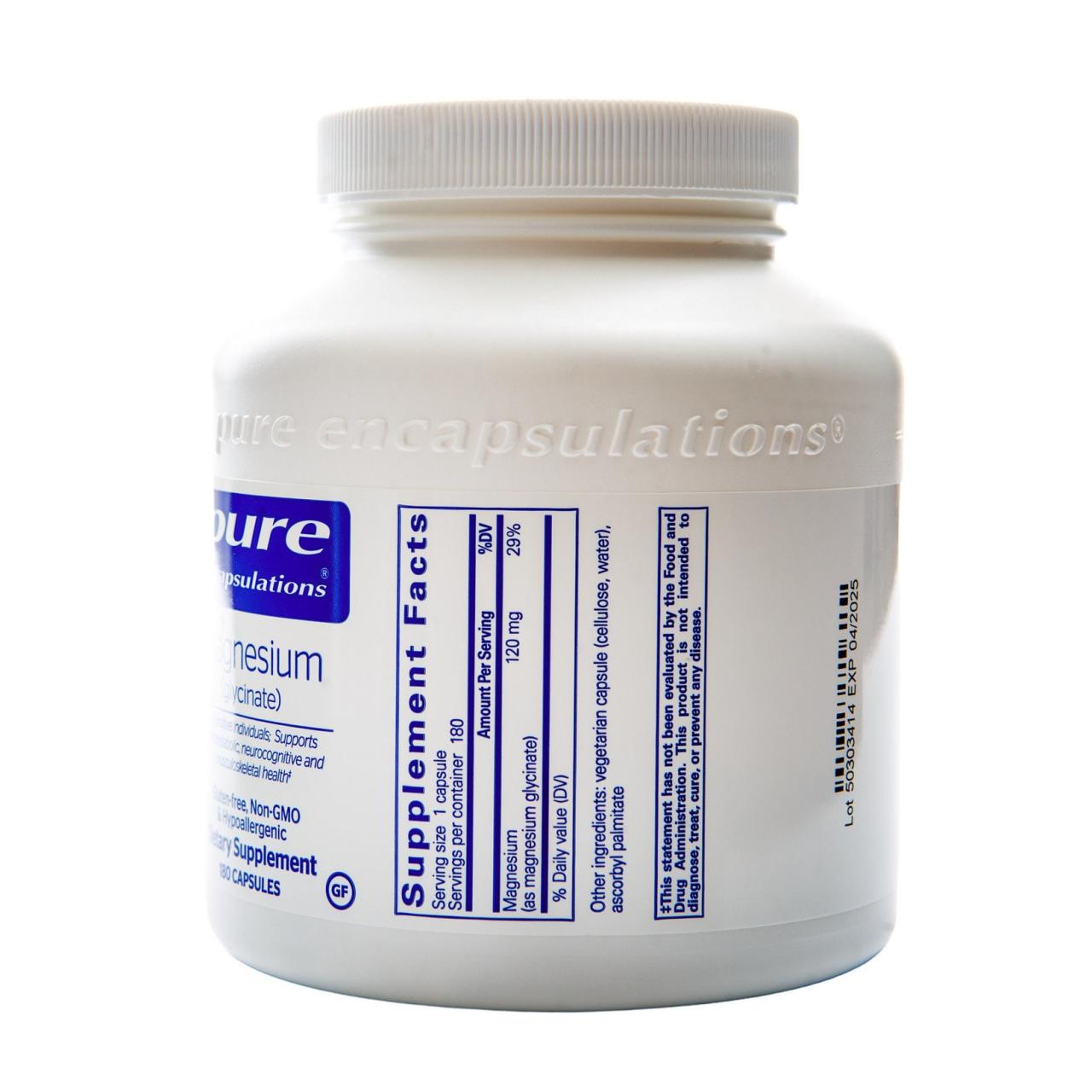
Magnesium glycinate is often discussed in wellness circles, but it’s also surrounded by several myths that can mislead consumers about its efficacy and safety. Understanding these misconceptions is crucial for making informed decisions regarding supplementation. This section aims to debunk common myths and provide factual information supported by research.
Common Misconceptions About Magnesium Glycinate
There are several prevalent myths concerning magnesium glycinate that deserve clarification to help people understand its true nature and benefits.
One major misconception is that magnesium glycinate is ineffective compared to other forms of magnesium. In reality, magnesium glycinate is highly bioavailable, meaning it is absorbed efficiently by the body. Research shows that due to its chelated form, it minimizes gastrointestinal upset, which is common with other magnesium supplements. A study published in the *Journal of the American College of Nutrition* highlighted that magnesium glycinate’s absorption rates are higher than those of magnesium oxide, making it a preferable choice for many individuals.
Another myth is that magnesium glycinate can cause laxative effects. While some magnesium supplements do have this side effect, magnesium glycinate is less likely to do so. According to the *International Journal of Molecular Sciences*, the glycine component of magnesium glycinate can actually promote calmness and improve sleep quality without causing diarrhea, making it suitable for daily use without discomfort.
A common belief is that all magnesium supplements are the same. This is misleading because different types of magnesium supplements serve different purposes. Magnesium glycinate is well-known for its calming effects and is commonly used to help with anxiety and muscle cramps. On the contrary, forms like magnesium citrate are often utilized for their laxative properties.
Educating others about these myths can be beneficial. Sharing accurate information from reliable sources, such as scientific journals and healthcare professionals, can help dispel the misinformation surrounding magnesium glycinate. Encouraging open discussions about personal experiences and outcomes can also enhance understanding.
The truth is that magnesium glycinate is a well-tolerated, effective form of magnesium supplementation, ideal for addressing various health concerns.
By fostering a more informed community, we can ensure that individuals make educated choices about their health and wellness, centered around the truth about magnesium glycinate rather than misconceptions.
Final Wrap-Up
In conclusion, magnesium glycinate emerges as a remarkable option for those seeking to enhance their magnesium levels and improve their overall health. With its superior absorption rate, numerous health benefits, and minimal side effects, it clearly sets itself apart from other forms of magnesium supplements. By incorporating magnesium glycinate into your daily routine, you can unlock a pathway to better sleep, reduced anxiety, and improved muscle function. As you consider magnesium supplementation, remember the importance of understanding your individual needs and potential interactions with other medications. Ultimately, making informed choices about magnesium glycinate can lead to a healthier and more balanced life.
Helpful Answers
What is the main difference between magnesium glycinate and other magnesium supplements?
Magnesium glycinate has a higher absorption rate due to its chelated form, making it gentler on the stomach compared to other types like magnesium oxide.
Can magnesium glycinate help with sleep issues?
Yes, many users find that magnesium glycinate improves sleep quality by promoting relaxation and reducing anxiety levels.
Is magnesium glycinate safe for long-term use?
Generally, magnesium glycinate is considered safe for long-term use, but it’s advisable to consult with a healthcare provider for personalized recommendations.
How quickly can I expect to see results from magnesium glycinate?
Results can vary, but many people report experiencing benefits within a few days to weeks of consistent use.
Can I take magnesium glycinate with other medications?
While magnesium glycinate can be taken with many medications, it’s essential to consult a healthcare provider to avoid potential interactions.
What is the best time of day to take magnesium glycinate?
Taking magnesium glycinate in the evening is often recommended as it can aid in relaxation and promote better sleep.
Are there any dietary sources of magnesium I should consider?
Yes, foods rich in magnesium include leafy greens, nuts, seeds, whole grains, and legumes, which can complement supplementation.