
 Caroline Sarah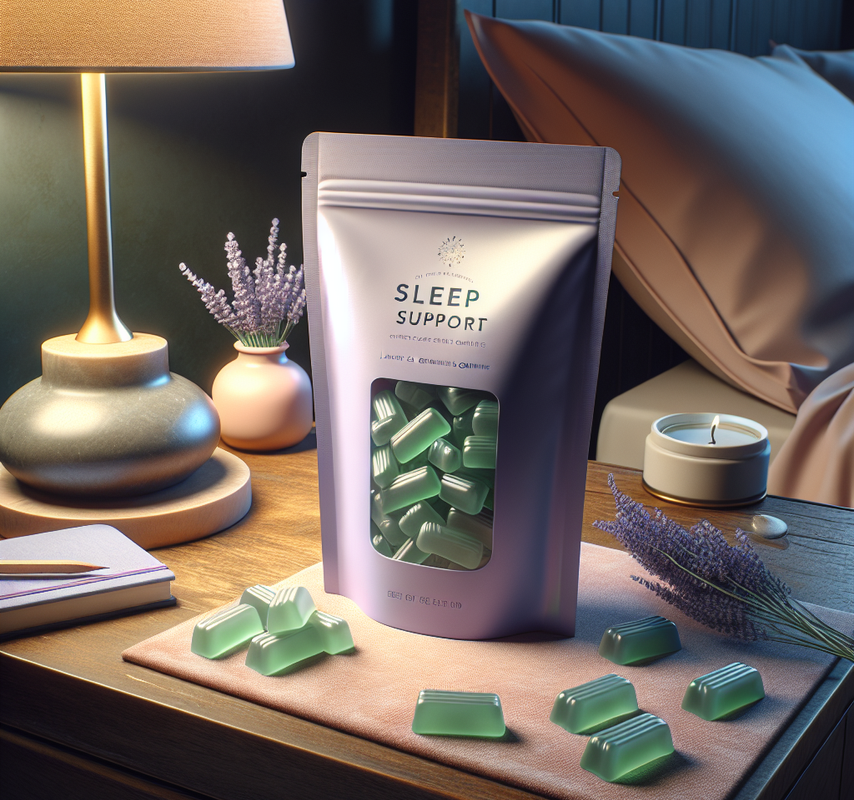
Sleep gummies are quickly becoming a popular choice for those seeking a peaceful night’s rest without the hassle of traditional sleep aids. These chewy supplements combine a mix of natural ingredients aimed at promoting relaxation and improving sleep quality. With the rise of wellness culture, understanding the science behind sleep gummies, their ingredients, and their effectiveness can help consumers make informed decisions.
At the core of many sleep gummies lies melatonin, a naturally occurring hormone that regulates sleep-wake cycles. Along with melatonin, ingredients like valerian root and chamomile are often included for their calming effects. As more people turn to these alternatives for sleep support, it’s essential to explore how they compare to conventional sleep medications while also examining their growing popularity in the health and wellness market.
The science behind sleep gummies and how they work to promote better sleep
Sleep gummies have gained significant popularity as a convenient and enjoyable way to help improve sleep quality. These chewable supplements typically contain a blend of natural ingredients that work synergistically to encourage relaxation, ease anxiety, and facilitate a more restful night’s sleep. Understanding the science behind these gummies can help individuals make informed choices when looking for a sleep aid that suits their needs.
The key ingredients commonly found in sleep gummies include melatonin, valerian root, chamomile, and various vitamins and minerals. Each of these components plays a vital role in sleep regulation and overall sleep quality. Melatonin is a hormone naturally produced by the body that signals the onset of sleep. It helps to regulate the sleep-wake cycle and is often included in sleep gummies in doses ranging from 1 to 10 mg. Many people find that taking melatonin in gummy form can help them fall asleep more quickly and maintain a consistent sleep schedule.
Ingredients and Their Effects on Sleep Quality
Understanding the specific effects of various natural ingredients in sleep gummies sheds light on their collective impact on sleep patterns. Here are some of the most common ingredients and their benefits:
- Melatonin: As mentioned, melatonin regulates sleep-wake cycles. Supplementing with melatonin can help those experiencing insomnia or disrupted sleep schedules by signaling the body that it’s time to rest.
- Valerian Root: This herb is known for its sedative properties and has been used for centuries to treat sleep disorders. Valerian root increases the levels of gamma-aminobutyric acid (GABA) in the brain, which helps to calm the nervous system and promote relaxation.
- Chamomile: Often consumed as tea, chamomile contains an antioxidant called apigenin that binds to specific receptors in the brain, which may promote sleepiness and reduce insomnia. Its calming effects make it a popular ingredient in sleep gummies.
- L-theanine: This amino acid, found in green tea, is known to induce relaxation without causing drowsiness. It can help improve sleep quality by reducing anxiety and promoting a sense of calm.
- Magnesium: This essential mineral plays a role in various biochemical reactions in the body, including the regulation of neurotransmitters that send signals throughout the nervous system. Adequate magnesium levels can contribute to better sleep quality.
Incorporating these ingredients into sleep gummies not only makes them palatable but also provides a natural approach to improving sleep patterns. The combination of melatonin with calming herbs like valerian root and chamomile creates a holistic solution for those seeking better rest. The importance of these components lies in their ability to work together, enhancing one another’s effects to produce a more effective sleep aid.
A comparative analysis of sleep gummies versus traditional sleep aids
Sleep is essential for overall health and well-being, and finding the right aid to achieve restful slumber can be challenging. As people look for alternatives to traditional sleep medications, sleep gummies have gained popularity due to their appealing taste and perceived safety. This analysis explores the safety profiles, side effects, and accessibility of sleep gummies compared to traditional sleep aids, providing a comprehensive understanding of their effectiveness.
Safety profiles of sleep gummies and prescription sleep medications
When considering sleep aids, safety is a primary concern for many users. Sleep gummies typically contain natural ingredients such as melatonin, herbal extracts, and vitamins. These ingredients tend to have a favorable safety profile, especially when consumed as directed. In contrast, prescription sleep medications, such as benzodiazepines, can pose significant risks, including dependence and withdrawal symptoms.
Traditional sleep medications have a broader spectrum of effects on the brain’s neurotransmitters and can lead to more severe side effects. Understanding the safety concerns associated with each method helps users make informed decisions about their sleep health.
Side effects of sleep gummies and traditional sleep aids
Both sleep gummies and traditional sleep medications can lead to side effects, although their nature and severity may vary.
The common side effects associated with sleep gummies include:
- Daytime drowsiness, particularly if overconsumed.
- Nausea or stomach discomfort due to certain ingredients.
- Allergic reactions in sensitive individuals, especially to herbal components.
In contrast, side effects linked to traditional sleep medications may include:
- Dependence or addiction, leading to a cycle of increased dosages.
- Memory issues or cognitive impairment, particularly with long-term use.
- Unusual behavior while asleep, including sleepwalking or other parasomnia-related issues.
These differences underscore the importance of evaluating personal health needs and potential risks before choosing a sleep aid.
Accessibility of sleep gummies compared to other sleep assistance methods
Sleep gummies are widely available over-the-counter, making them a convenient option for those seeking immediate solutions to sleep disturbances. They can be found in pharmacies, supermarkets, and online retailers without the need for a prescription. This ease of access appeals to many users who prefer a more straightforward approach to managing their sleep issues.
On the other hand, traditional sleep medications often require a doctor’s prescription, which can limit their accessibility. This requirement can pose barriers for individuals who may need help but are unable or unwilling to seek medical consultation. Additionally, some people may appreciate the non-pharmaceutical approach of sleep gummies, favoring their natural composition over synthetic alternatives.
“With sleep gummies, users can enjoy a more accessible and potentially safer alternative to traditional sleep medications.”
The growing popularity of sleep gummies in wellness culture
The surge in wellness culture has led to an increased interest in alternative remedies, particularly sleep aids. Among these, sleep gummies have emerged as a favored option for many seeking better sleep quality. Their rise in popularity can be attributed to various factors, including convenience, taste, and the perception of being a more natural solution to sleep issues.
The growing consumer preference for sleep gummies can largely be attributed to their ease of use and appealing format. Unlike traditional pills or capsules, gummies are seen as a more enjoyable way to consume supplements. Their candy-like nature makes them particularly appealing to those who might be hesitant to take medicine in more conventional forms. Furthermore, the natural ingredients often found in sleep gummies, such as melatonin, valerian root, and lavender, align well with the current trend of seeking holistic health solutions. This trend reflects a broader movement towards prioritizing mental and physical well-being, where consumers increasingly opt for products that not only support health but also enhance their overall lifestyle.
Marketing strategies for sleep gummies
Effective marketing strategies play a crucial role in the rise of sleep gummies within the wellness sector. Companies are leveraging various tactics to create a positive consumer perception around their products. Strategies include:
- Influencer partnerships: Many brands collaborate with health and wellness influencers to reach a wider audience. These influencers often share personal experiences with sleep gummies, which can significantly sway their followers’ purchasing decisions.
- Engaging social media campaigns: Brands utilize platforms like Instagram and TikTok to showcase the benefits of their sleep gummies through visually appealing content. This often involves user-generated content, testimonials, and attractive visuals that resonate with the target demographic.
- Emphasis on natural ingredients: Highlighting the use of organic or naturally derived ingredients helps brands position their products as healthier alternatives. This aligns with the growing consumer demand for transparency in product sourcing and ingredients.
- Educational content: Brands provide information on the importance of sleep and how their gummies can aid in achieving better sleep quality. This educational approach helps instill trust and builds brand loyalty among consumers.
The impact of these strategies can be seen in the growing brand loyalty and market growth. As more consumers become aware of the benefits of sleep gummies, brands that utilize these marketing tactics effectively are likely to see increased sales and a stronger foothold in the health market.
Demographic trends in sleep gummies usage
Demographic trends indicate that sleep gummies are particularly popular among various age groups, reflecting diverse needs and preferences. The primary users include:
- Millennials: This generation has shown a tendency to seek convenient and effective solutions for sleep, often prioritizing natural products over pharmaceuticals.
- Parents: Many parents turn to sleep gummies as a way to manage their sleep issues, particularly in the context of balancing work, family, and personal wellness.
- Older adults: Those aged 50 and above are increasingly incorporating sleep gummies into their routines due to age-related sleep disturbances, finding gummies to be a gentle and non-invasive solution.
These trends highlight the evolving landscape of the health market, where brands must adapt their offerings to meet the needs of a diverse consumer base. The implications are significant, as companies may consider tailoring their products and marketing strategies to appeal to these distinct demographic segments, ensuring they remain relevant and competitive in the wellness industry.
How to choose the right sleep gummies for individual needs

Choosing the right sleep gummies is crucial for ensuring a restful night’s sleep. With so many options available in the market, it’s vital to evaluate various brands based on their ingredients, effectiveness, and transparency. Understanding your unique sleep needs will help you select the most suitable product for you.
When evaluating sleep gummies, ingredient transparency and efficacy are key factors. Look for brands that clearly list all ingredients on the label. This includes not only the active ingredients like melatonin or herbal extracts but also any fillers or additives. Brands that provide detailed information about the sourcing and quality of their ingredients tend to have higher efficacy. It’s beneficial to research the specific benefits of ingredients you may need—like valerian root for relaxation or chamomile for calming effects.
Importance of Dosage
Dosage plays a significant role in how effective sleep gummies will be for individuals, as everyone’s body chemistry is different. While many gummies recommend a standard dosage, some people may find that they need more or less to achieve their desired effects. Understanding your sensitivity to sleep aids and starting with a lower dosage can help you gauge how your body reacts. Gradually adjusting the dosage can lead to finding your optimal amount without experiencing side effects.
Checklist for Choosing Sleep Gummies
When selecting sleep gummies, it’s essential to consider various factors to ensure you make a wise choice. Below is a checklist that can help guide your selection process:
- Ingredient Transparency: Ensure all ingredients are clearly listed and research their effectiveness.
- Certifications: Look for certifications such as USDA Organic or Non-GMO Verified, which indicate quality and safety.
- Third-Party Testing: Choose brands that undergo independent testing to verify ingredient potency and absence of harmful substances.
- Reviews and Ratings: Check customer reviews and expert ratings to gauge overall satisfaction and effectiveness.
- Brand Reputation: Consider how long the brand has been in the market and its reputation within the health community.
By following this checklist, consumers can ensure they choose high-quality sleep gummies that cater to their individual needs.
Making informed choices about sleep gummies can significantly enhance your sleep experience. Focusing on ingredient transparency, appropriate dosages, and quality certifications will lead to better outcomes and a more restful night’s sleep.
Best practices for integrating sleep gummies into a nightly routine
Integrating sleep gummies into your nightly routine can significantly enhance your sleep quality. However, it’s essential to follow best practices to ensure you reap the full benefits. This discussion covers optimal timing, dosage, environmental factors affecting efficacy, and complementary relaxation techniques that can boost sleep quality.
Timing and dosage are crucial for maximizing the effects of sleep gummies. It is generally recommended to consume sleep gummies about 30 to 60 minutes before bedtime. This allows the active ingredients, such as melatonin and herbal extracts, to start working as you wind down for the night. Regarding dosage, always refer to the product’s label, as different brands may have varying strengths. A common dosage ranges from 1 to 3 gummies, depending on the concentration of melatonin and individual sensitivity. It’s wise to start with a lower dose to assess your tolerance, then adjust as needed.
Environmental factors influencing sleep quality
Creating a conducive sleeping environment can enhance or diminish the effectiveness of sleep gummies. Consider the following factors that can impact your sleep:
– Lighting: Dim the lights in your bedroom an hour before sleep. This signals your body that it’s time to wind down.
– Noise Levels: Reduce noise distractions by using earplugs or a white noise machine. A quiet environment encourages a deeper sleep.
– Temperature: Keep your bedroom cool, ideally between 60 to 67 degrees Fahrenheit, as a cooler environment promotes better sleep.
– Comfortable Bedding: Invest in a quality mattress and comfortable pillows to support restful sleep.
In addition to sleep gummies, incorporating relaxation techniques can significantly improve your sleep quality. Consider the following practices:
– Meditation: Engaging in mindfulness meditation before bed can calm the mind and prepare your body for sleep.
– Gentle Yoga: Practicing gentle stretches or yoga can relieve tension and help you transition into a relaxed state.
– Breathing Exercises: Deep breathing techniques, such as the 4-7-8 method, can lower heart rate and promote relaxation.
– Reading: Opt for light reading material rather than screens, which can be stimulating and hinder sleep.
By combining sleep gummies with these practices, you can establish a powerful nighttime routine that fosters restful and rejuvenating sleep.
Potential risks and considerations when using sleep gummies
Before incorporating sleep gummies into your nightly routine, it’s essential to understand the potential risks and considerations that accompany their use. While these supplements can aid in achieving better sleep, they are not without their drawbacks. Consulting a healthcare professional is crucial to ensure that the choice to use sleep gummies aligns with your individual health needs and conditions.
Consultation with Healthcare Professionals
Consulting with a healthcare professional before starting any new supplement, including sleep gummies, is vital for several reasons. Medical experts can evaluate your specific health conditions, medications, and potential allergies. This personalized guidance enhances safety and effectiveness in using sleep gummies. Here are key points regarding the necessity of medical consultation:
- Individual Health Assessment: A healthcare provider can assess your medical history and current health status to determine if sleep gummies are appropriate for you.
- Dosage Recommendations: Professionals can advise on the correct dosage based on your age, weight, and other factors, minimizing the risk of adverse effects.
- Addressing Underlying Issues: Consulting a professional may help identify underlying sleep disorders that could require alternative treatments.
Potential Interactions with Other Medications
Awareness of potential interactions between sleep gummies and other medications is crucial for safely incorporating them into your routine. Some ingredients in sleep gummies, such as melatonin, can interact with various prescriptions. Here are notable interactions to consider:
- Blood Thinners: Melatonin may affect the efficacy of anticoagulants like warfarin, increasing the risk of bleeding.
- Antidepressants: Certain sleep aids can interact with antidepressant medications, possibly altering their effectiveness or increasing side effects.
- Central Nervous System Depressants: Combining sleep gummies with medications that depress the central nervous system, such as benzodiazepines, can enhance drowsiness or sedation, leading to safety concerns.
Frequency of Use and Dependency Misconceptions
There are common misconceptions regarding the frequency of use and potential dependency on sleep gummies. Many people believe that frequent use can lead to a reliance on these supplements, which may not always be the case. It is important to address these misconceptions with factual information:
- Short-Term Use: Many experts suggest that sleep gummies can be safely used for short-term sleep issues without developing dependency.
- Non-Habit Forming Ingredients: Ingredients like melatonin are generally considered non-habit forming, making them safe for occasional use.
- Sleep Hygiene Practices: Improving sleep hygiene can often reduce the need for sleep supplements, highlighting that gummies are an adjunct, not a primary solution.
It’s essential to approach sleep gummies with a balanced perspective, understanding their benefits and potential pitfalls while prioritizing informed decision-making.
Closing Summary
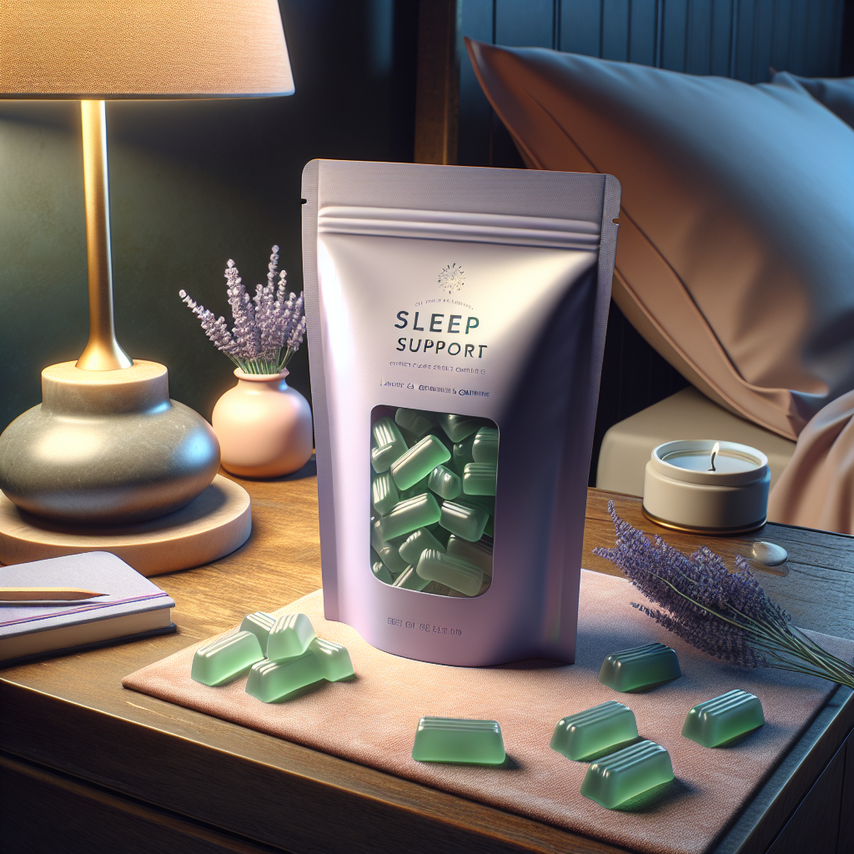
In summary, sleep gummies offer an intriguing alternative to traditional sleep aids, combining natural ingredients with the potential for improved sleep quality. As their popularity grows, it’s crucial for consumers to understand the science behind these gummies and choose products that align with their individual needs. By integrating sleep gummies into a nightly routine mindfully, individuals can foster better sleep and enhance their overall wellness.
Expert Answers
Are sleep gummies safe for everyone?
While generally considered safe, it’s best to consult a healthcare professional before using sleep gummies, especially if you have underlying health conditions or are taking other medications.
How long does it take for sleep gummies to work?
Sleep gummies typically take about 30 minutes to an hour to start working, but individual responses may vary based on metabolism and other factors.
Can I use sleep gummies with alcohol?
Mixing sleep gummies with alcohol is not advisable, as it can increase the risk of side effects and may hinder the effectiveness of the gummies.
How often can I take sleep gummies?
It’s important to follow the dosage instructions on the packaging and consult a healthcare professional to determine the appropriate frequency for your needs.
Do sleep gummies have side effects?
Some users might experience side effects such as drowsiness, headaches, or digestive issues, though they are generally mild and vary by individual.